An article calls for a comprehensive national effort to preserve and integrate India’s living knowledge traditions by enumerating and connecting the country’s traditional institutions and knowledge holders.
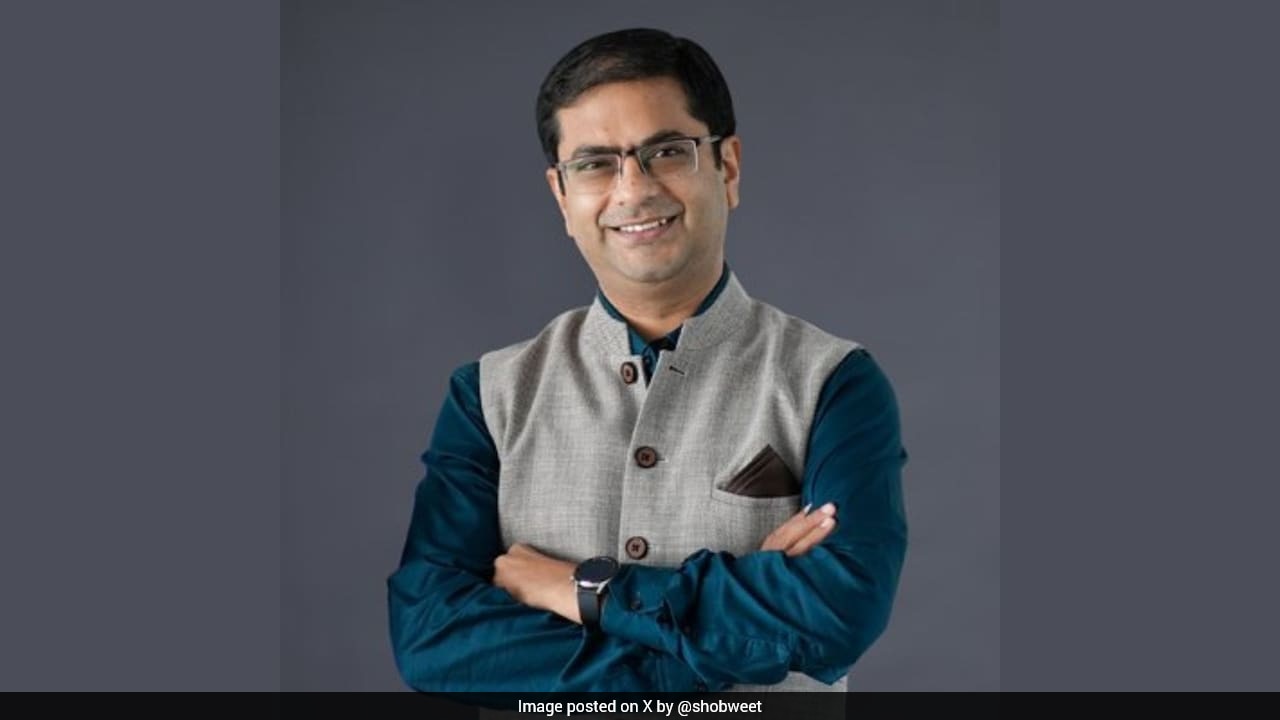
The piece cites the example of Vrishavardhan Sharma of Bengaluru, described as a young scholar who has mastered the Bhagavad Gītā and Pāṇini’s Aṣṭādhyāyī and who treats Panini’s system as living computational logic applied in software and hardware. It notes that Panini’s 4,000‑year‑old rules are widely regarded by computer scientists as the world’s first formal, context‑free generative grammar and a direct ancestor of modern programming language theory and natural language processing.
The article also names Govind Krishnan M. as an ISRO scientist who reportedly underwent Vedic education before higher studies at the Indian Institute of Space Science and Technology (IIST) and joining ISRO; it refers to Swami Bharati Krishna Tirtha for work on Vedic Mathematics and to Subhash Kak as a distinguished computer scientist who has studied Indian mathematics, astronomy and scientific traditions.
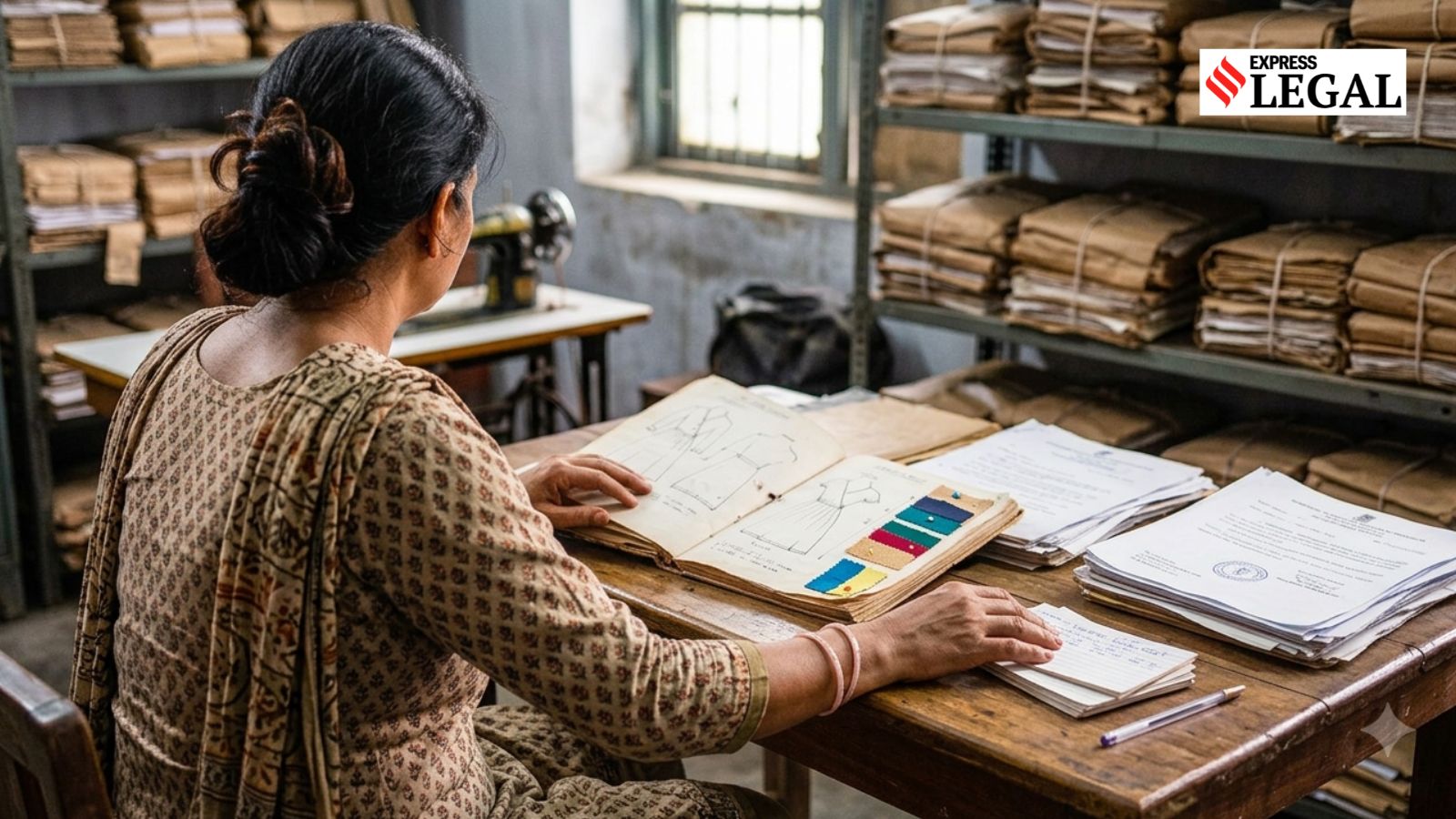
Quoting Dr. Remella Avadhanulu of Veda Bharathi Trust, the article says the four Vedas are traditionally understood to have had 1,131 śākhās (branches), of which only 13 are traceable today and seven survive as living oral traditions. It warns that many branches of traditional knowledge — across Vedāṅgas, Upaniṣads, Āgamas, Darśanas, Ayurveda, mathematics, astronomy, architecture, agriculture, arts and music — may survive only in manuscripts, scattered institutions or the memory of a diminishing number of custodians.
As a remedy, the article proposes that the Government of India undertake a National Enumeration of Indian Knowledge Institutions and Knowledge Holders and create a National Registry and knowledge map. The registry should record each institution’s history and lineage, location, subjects taught, teachers, students, manuscripts and libraries, infrastructure, governance and financial sustainability. The proposal emphasises studying economic and social contributions and existing self‑sustainability mechanisms of traditional institutions.
The article stresses that preservation should extend beyond digitising texts to sustaining the living chain of transmission — texts, practitioners, teachers and institutions together — and calls for connecting and strengthening existing Gurukulas, Veda Pāṭhaśālās, Sanskrit institutions, Ashrams, Mathas, Peethams, temples, Devasthanams, Āgama schools, traditional Ayurveda centres and other custodial networks rather than replacing them.