Entertainment
RJ Mitte, Breaking Bad actor and disability rights champion, dies at 34
RJ Mitte died at the age of 34. • He played Walter White Jr., the son of Bryan Cranston’s character, in the television series Breaking Bad.
RJ Mitte died at the age of 34. • He played Walter White Jr., the son of Bryan Cranston’s character, in the television series Breaking Bad.
A 29-year-old man was beaten to death by bouncers at a nightclub in Delhi after beer spilled on a woman. • Both outlets state the assault occurred at a Delhi club/nightclub; India Today names the locality as Sarai Rohilla.
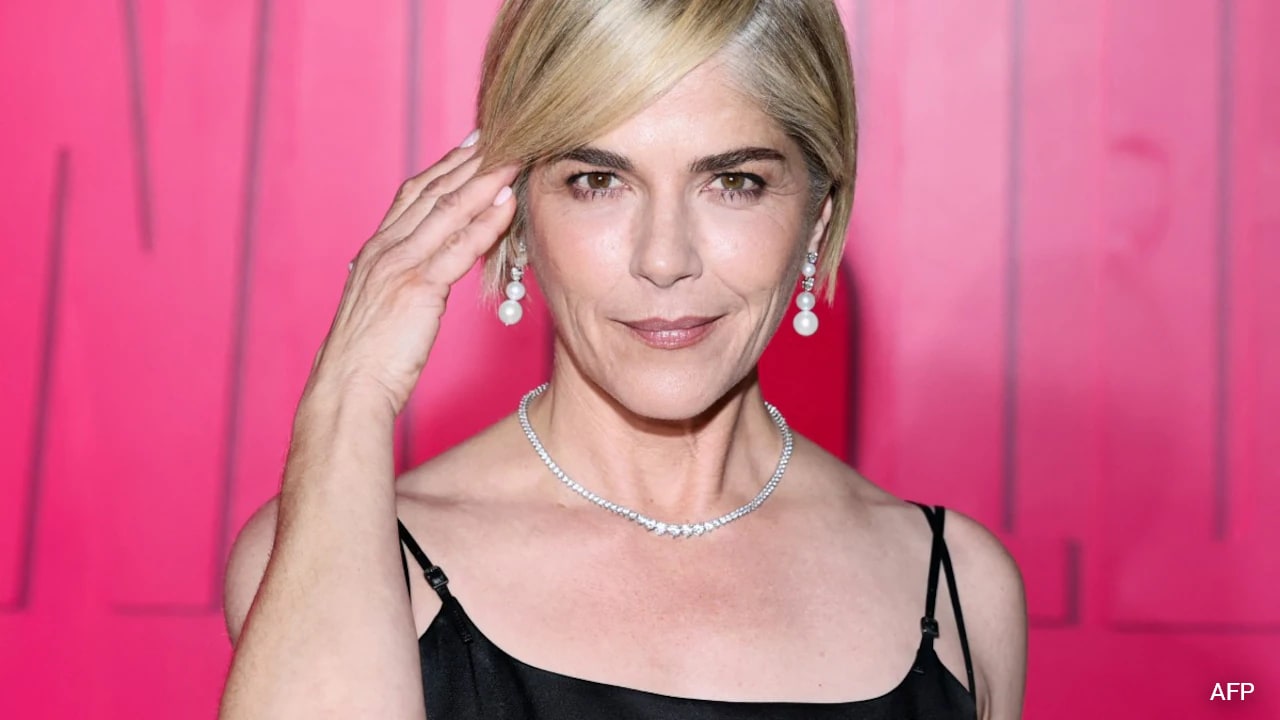
US actress Selma Blair, 54, was taken into custody after a mid-air incident in which she allegedly bit a flight attendant. • Two cabin crew members were injured during the incident.
Agencies flagged security concerns about satellite internet services offered by a foreign operator. • The flagged issues relate to the presence and operation of the foreign operator's satellite internet infrastructure and services.
Assam Chief Minister Himanta Biswa Sarma said a SIR should be conducted every five years to check influx into the region. • He cited a demographic shift in four eastern States to support the need for periodic SIRs.
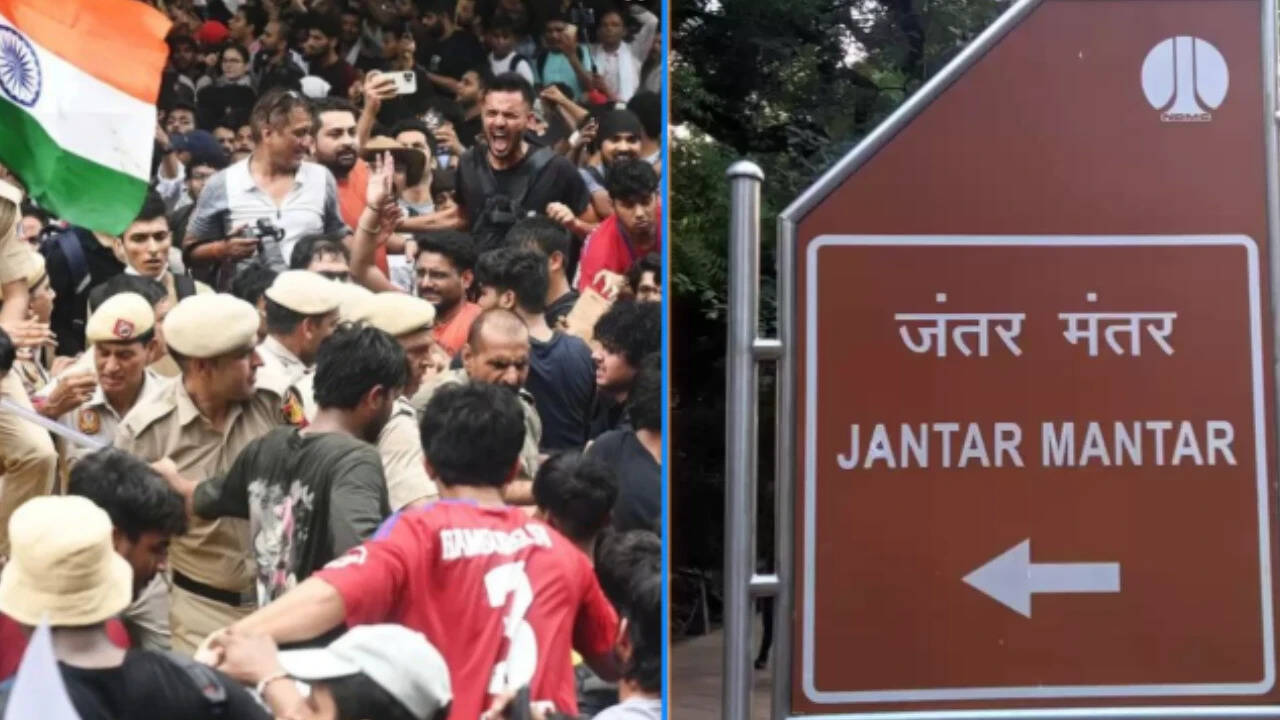
The Delhi Police has denotified Jantar Mantar and designated three alternative protest venues: Burari Ground, CBD Ground and Ramlila Maidan. • The three sites differ in size and location: Burari Ground is the largest; Ramlila Maidan has an established political history; CBD Ground is located near commercial and residential areas.
Bombay High Court ordered accused in the Goa fire case to deposit interim compensation of ₹20 lakh each. • The court said the deposits would be subject to final contentions in the main matter.
Abdullapurmet Tahsildar and a mandal surveyor were caught accepting ₹20 lakh in Rangareddy district during an Anticorruption Bureau (ACB) operation. • The payment was allegedly demanded in connection with an HMDA survey; the complainant alleged the officials initially sought ₹23 lakh but settled for ₹20 lakh.
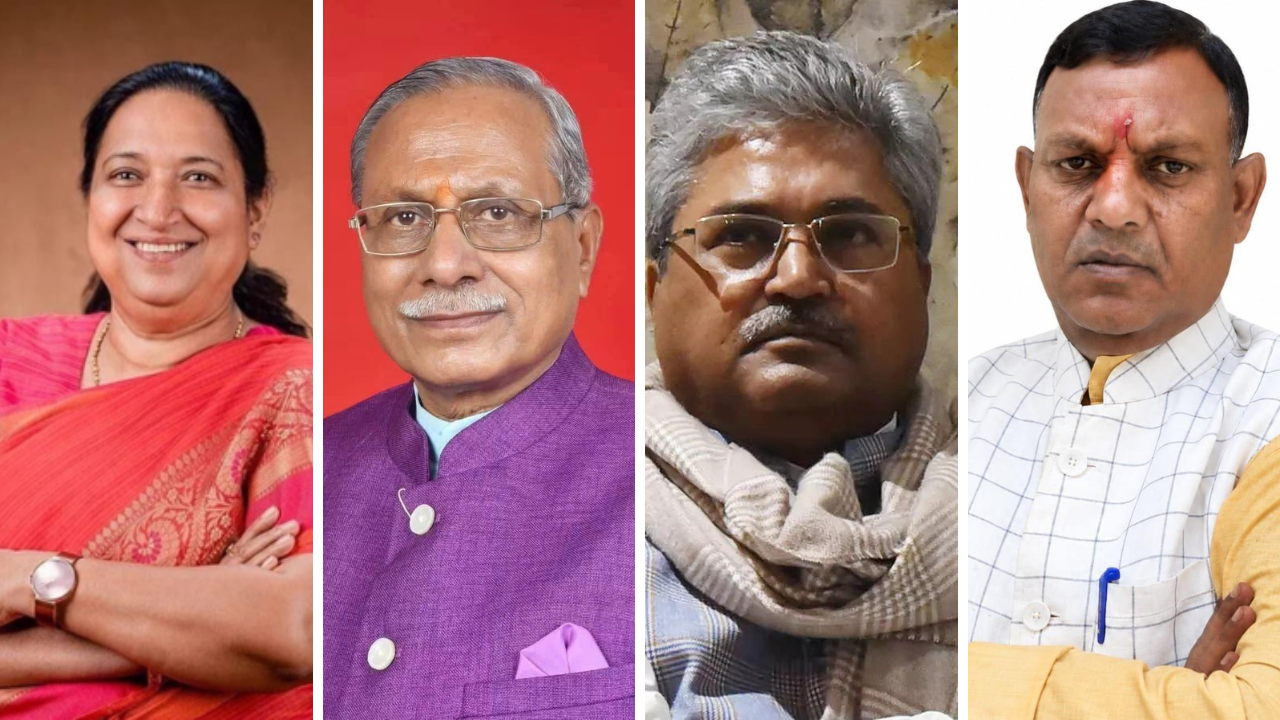
Four new governors were named. • The selections underline the Bharatiya Janata Party's focus on upcoming elections.
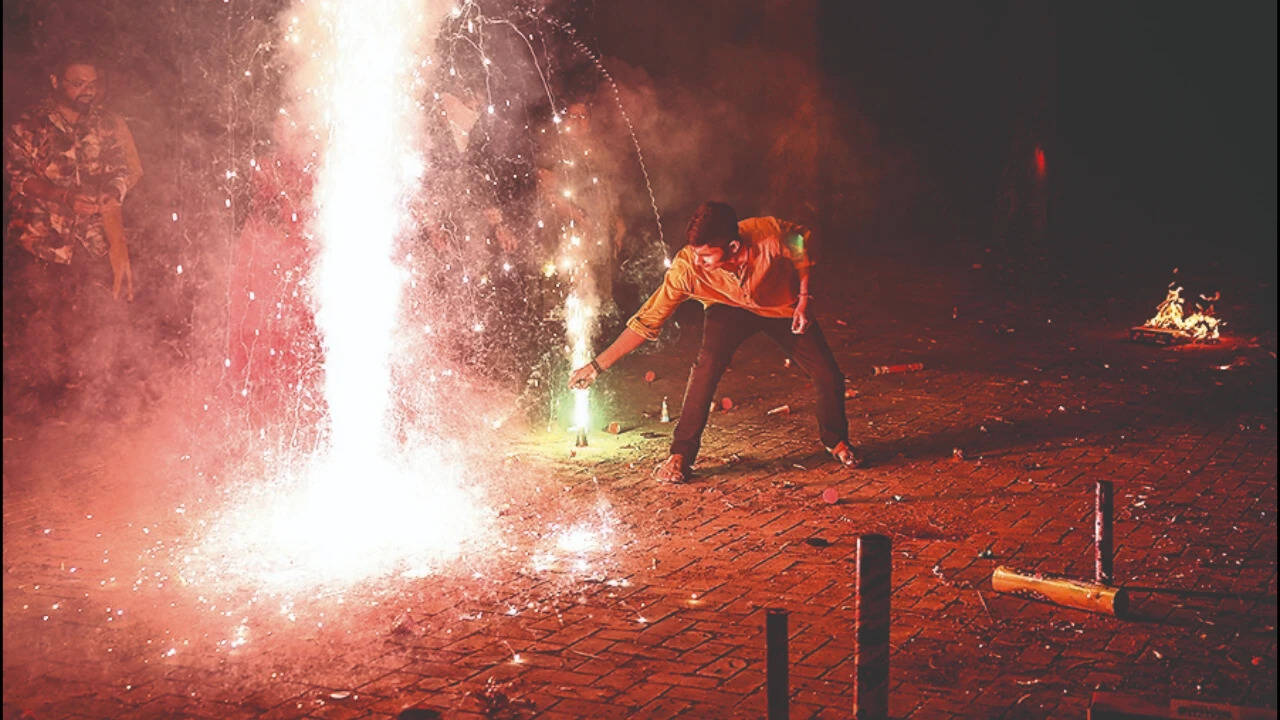
The Supreme Court addressed a matter concerning a ban on firecrackers. • The Court said courts must not pass orders that are difficult to enforce.
A new criminal charge alleges that Former Venezuelan President Nicolás Maduro and his wife are responsible for the alleged torture of US citizens detained in Venezuela. • The allegation concerns US citizens who were detained in the South American country.
Jammu and Kashmir Waqf Board has pushed for uniform Friday sermons across the Union territory. • The Board proposed establishing a preachers' committee that will decide sermon topics in advance.
The Chief Minister said Karnataka will continue investigating attempts to illegally delete names of genuine voters from electoral rolls. • The probe focuses on misuse of Form 7 applications, which are used to seek deletion of names from the voter list.
The newly formed Tamilaga Vettri Kazhagam (TVK) defeated the Dravida Munnetra Kazhagam (DMK) in the April Assembly election and again in the October 6 by-polls. • Electoral data indicate the DMK maintained a significant and independent core vote bank despite those losses.
Ramlila Maidan has been designated as one of Delhi's new protest sites. • There are no free booking dates available at Ramlila Maidan for the next two and a half months.
INMECC said India is poised to woo global investments amid US curbs. • INMECC urged Central and State governments and private-sector stakeholders to explore the emerging opportunity.
Dravida Munnetra Kazhagam (DMK) announced its exit from the INDIA bloc and said it will follow an independent political path. • The DMK accused the Congress of 'betrayal' and blamed remarks and actions by Congress leaders for the party's electoral setbacks.
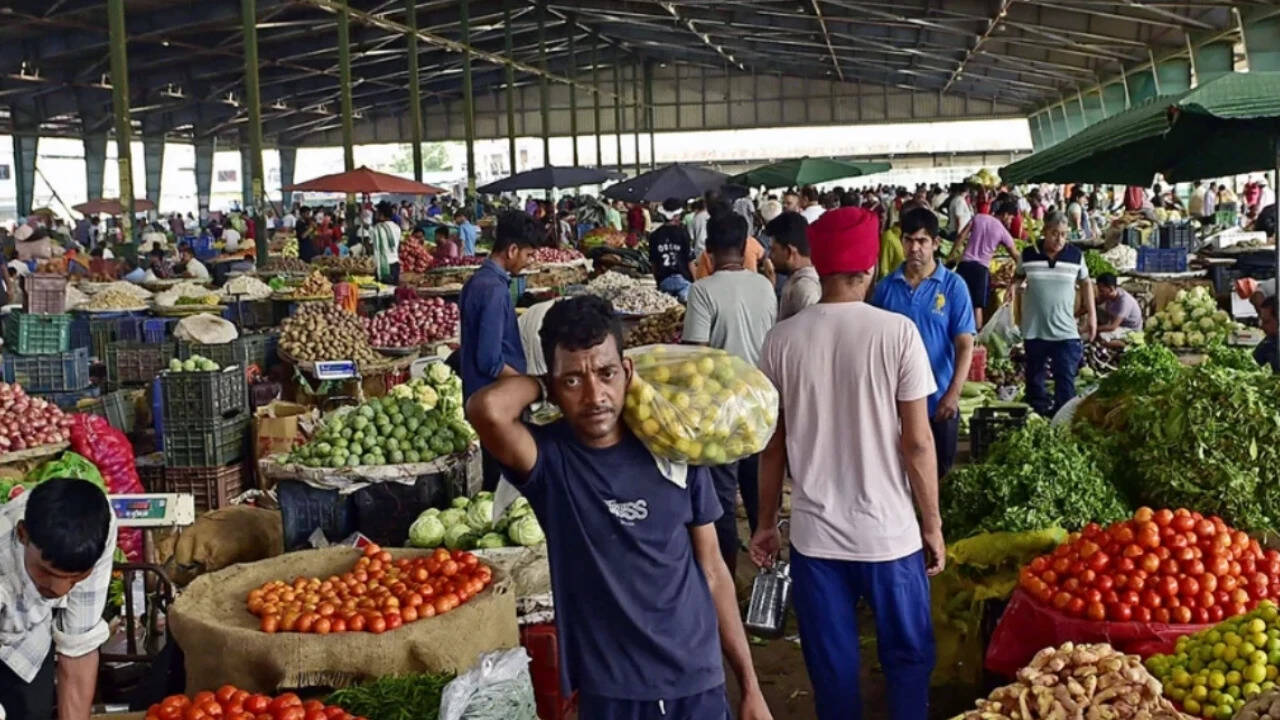
Retail inflation reached 5.5%, marking the highest level in nine months. • The rise in inflation was driven primarily by increases in food prices.
The arrival of 70 large Mechanical Road Sweepers (MRS) ordered for Delhi has been delayed until the end of November. • Environment Minister Manjinder Singh Sirsa said an order has been issued for the 70 MRS machines and that at least some of them are expected to arrive by November.
The Food Safety and Standards Authority of India (FSSAI) has insisted that Old Monk be labelled as 'rum-like'. • That insistence threatens losses of about Rs 500 crore for Old Monk, according to the report.
On Monday the Iran-backed Houthi movement said it launched a missile targeting Riyadh's international airport. • The Saudi-led coalition said it shot down a missile over the capital, Riyadh.
The Centre and state governments will draft rules related to existing arrest cases under the Goods and Services Tax (GST). • The move concerns cases already registered where arrests have been made under GST provisions.
Andhra Pradesh plans to develop Kakinada as a major international logistics and export hub. • The state intends to integrate ports, roads, railways and waterways to create a multimodal logistics network.
The Speaker rejected an objection concerning the use of the term 'Kerala Niyamasabha' for official purposes. • The objection sought to challenge or prohibit the official use of the phrase; the Speaker declined that challenge.
The central government and state governments will work together to widen the Goods and Services Tax (GST) base. • The collaboration aims to expand the number of taxpayers and transactions covered by GST through actions by both Centre and states.
The Indian Army has launched 'Bharat Rice', a superior-quality rice variety designated for defence forces to raise ration quality. • The initiative is spearheaded by the Directorate General of Supplies and Transport and provides direct supply to Army Supply Depots, including in remote areas.
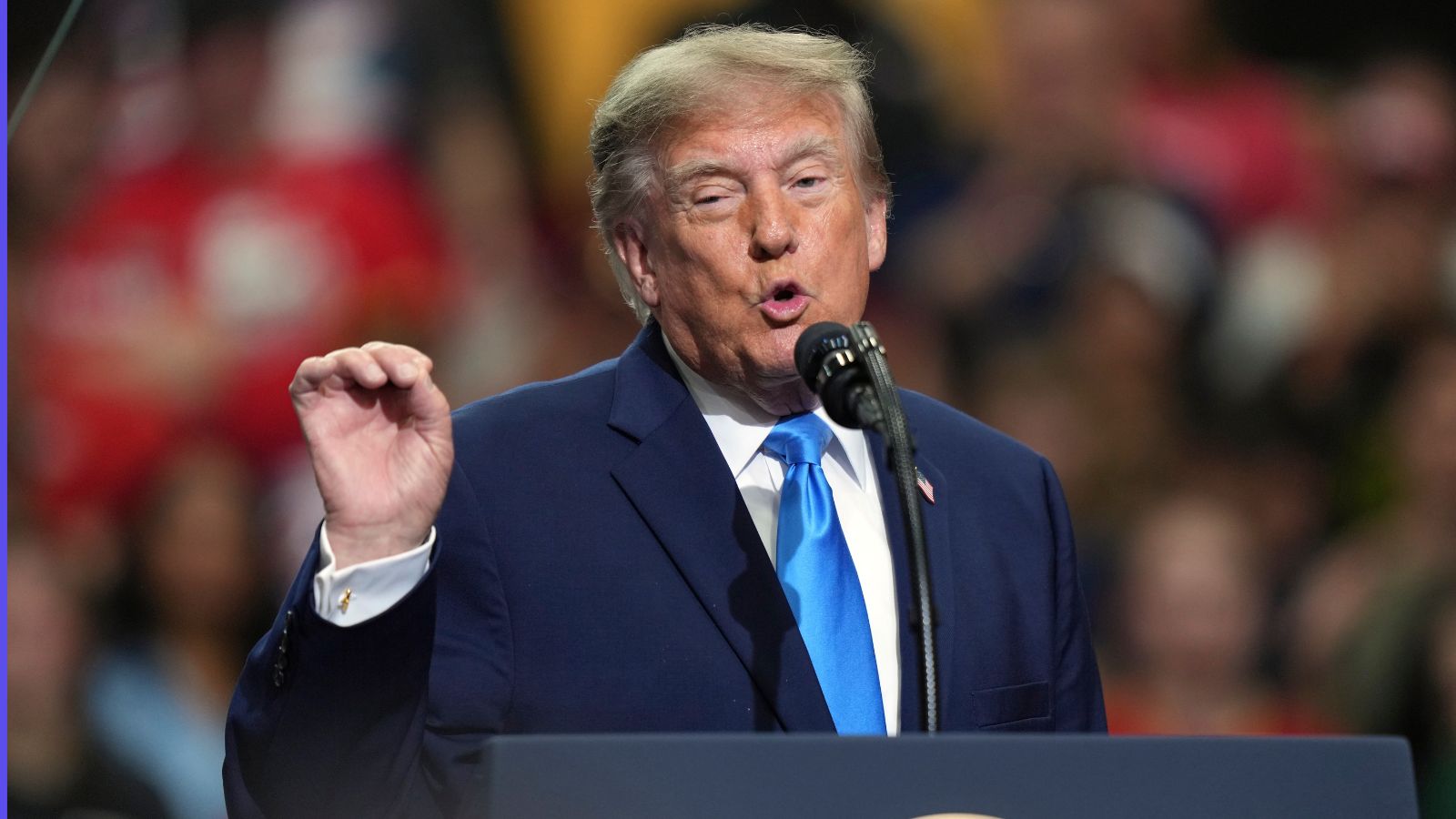
Trump said the outcome of US midterm elections will not affect policy toward Iran. • Trump said the war will end "very soon," using quoted language from his statement.
The government has sought Cabinet approval to extend an existing power-sector fund by five years. • The proposal seeks to continue the fund's operations beyond its current scheduled end.
A man stabbed a married woman named Anjali to death and injured her sister-in-law in Telangana. • The complaint filed by the victim’s brother-in-law, Dileep, alleged the attacker acted after Anjali rejected his marriage proposal.
President Droupadi Murmu announced appointments of new governors for six states: Tamil Nadu, Keralam, Sikkim, Karnataka, Uttarakhand and Odisha. • Rajendra Vishwanath Arlekar is being moved from Keralam to Tamil Nadu as Governor.
Elon Musk criticised India's 'oligarchs' in remarks about Starlink. • Bernie Sanders responded by turning the charge back on Musk.
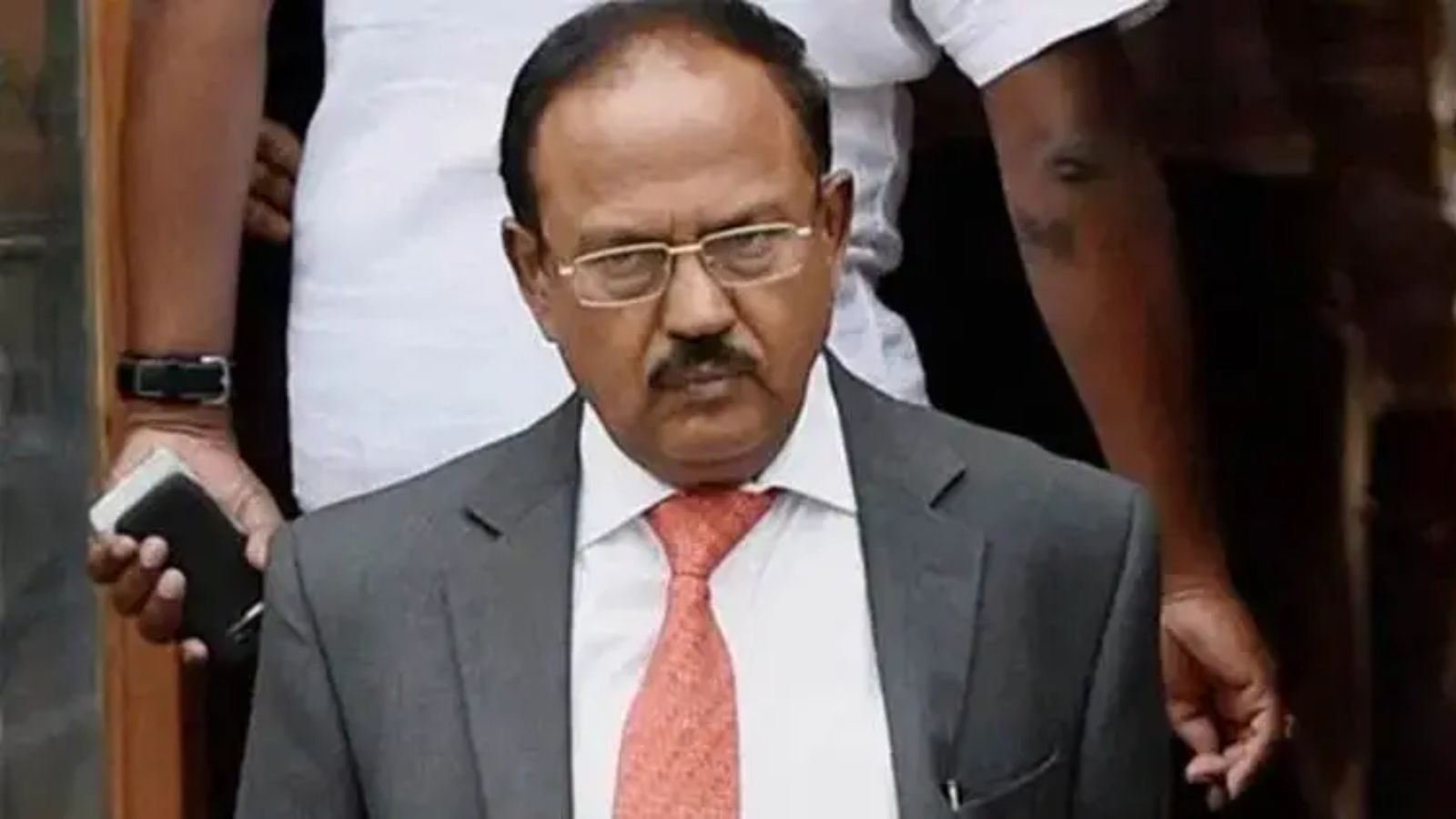
Ajit Doval and his Iran counterpart held discussions on the security situation in West Asia. • The talks addressed regional security developments.
Prices of pulses in India have risen sharply amid a supply crunch and adverse weather. • Lower domestic supplies and higher import costs are contributing to the increase in pulse prices.
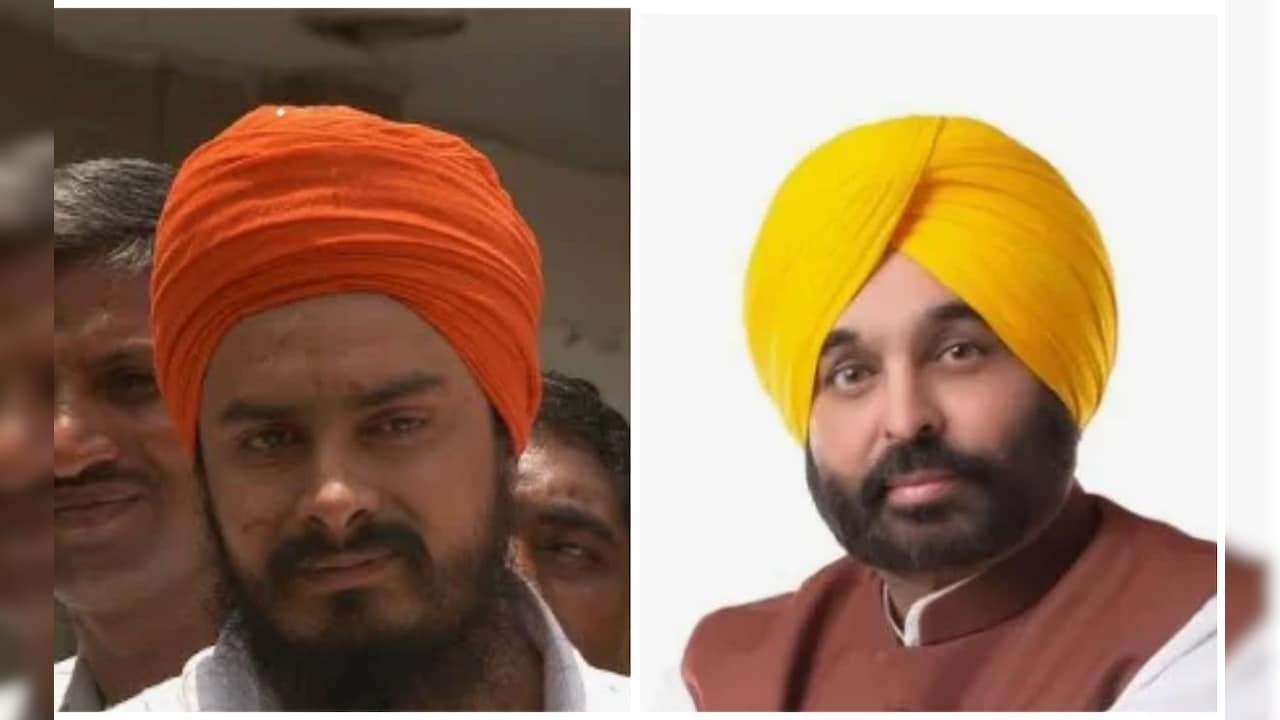
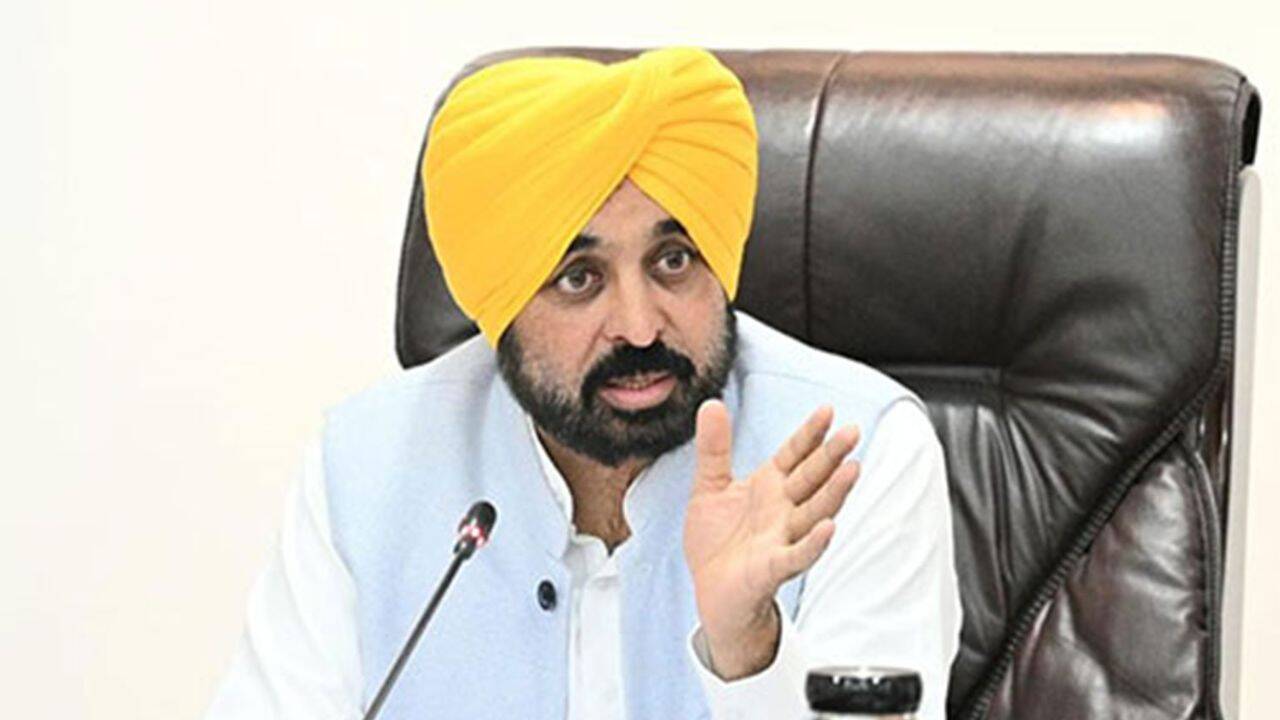
A group identified as the Morcha met Bhagwant Mann and, following the meeting, said Jagtar Singh Hawara could be released from jail imminently. • The Morcha is claiming that Hawara 'could come out of jail at any time', according to the group's statement.
IKEA announced a target to increase its revenue in India fourfold by 2030. • The company set this growth goal specifically for its India business; no additional financial details are provided in the input.
A man from Puttur was defrauded of Rs 1.31 crore in a 'digital arrest' scam. • Fraudsters accused him of money laundering and funding terrorism and threatened severe punishments, including the death penalty and life imprisonment.
CJP announced plans to stage protests across Rajasthan. • The organisation declared: “Will make Jantar Mantar in every city,” signalling an intent to set up protest sites in multiple cities across the state.
Akali Dal is emphasising women in Punjab through measures on the drugs problem and promises of financial help. • Harsimrat Kaur said women were promised Rs 60,000 but are now receiving Rs 3,000, highlighting a shortfall between the announced amount and actual disbursement.
Protests and related traffic curbs in Delhi disrupted hospitality-sector activity. • Hospitality companies cancelled conferences and events in the city.
A three-day BRICS Theatre Festival has begun in Delhi. • India presented a theatrical production titled 'Samudra Manthan' as part of the festival.
Unknown hackers accessed refrigeration controls at multiple supermarkets in France. • Attackers raised display and storage refrigerator temperatures to about 50°C, compromising frozen and chilled stock.
Andhra reached 331 for 6 in their innings against Karnataka. • Rahul scored 108 off 187 balls, hitting 10 boundaries.
The Supreme Court said it has not issued any ruling on the revised Form 6. • The court's statement indicates the matter concerning the revised Form 6 remains pending before it.
Tejas and C-DoT stated that equipment supplied to BSNL meet Telecom Regulatory Authority of India (TRAI) standards. • The claim was presented by both Tejas and the Centre for Development of Telematics (C-DoT).
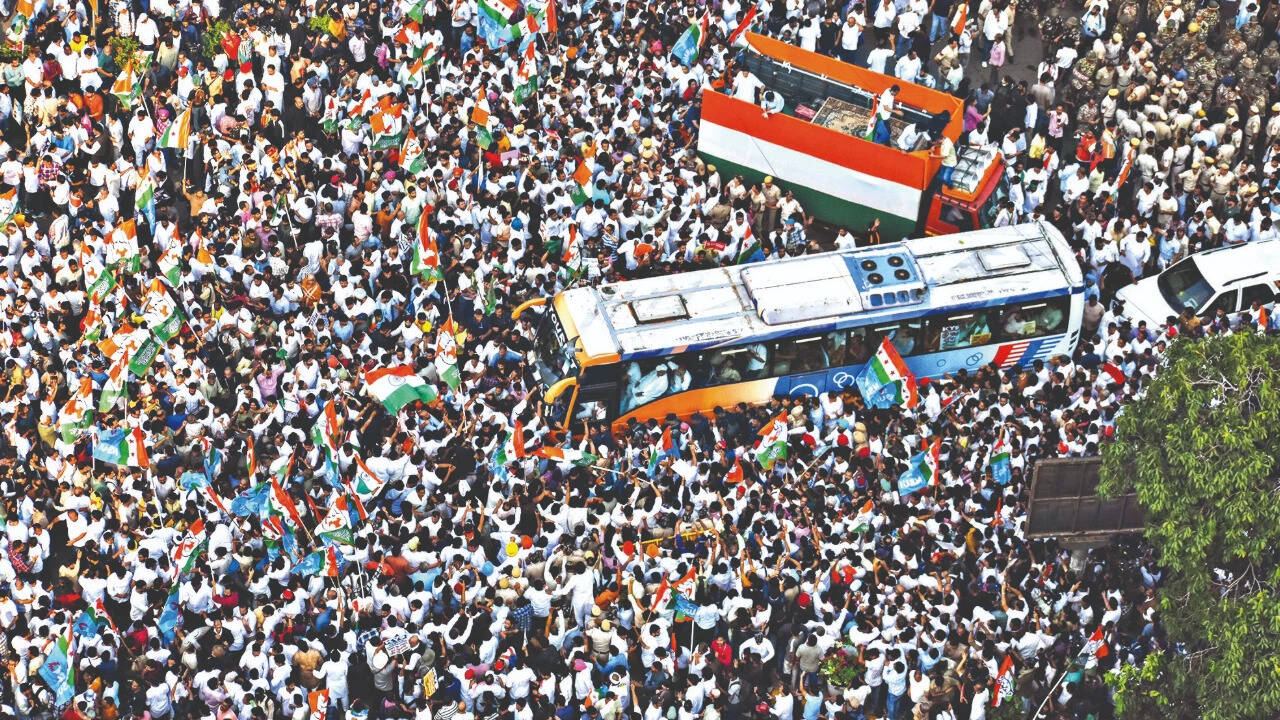
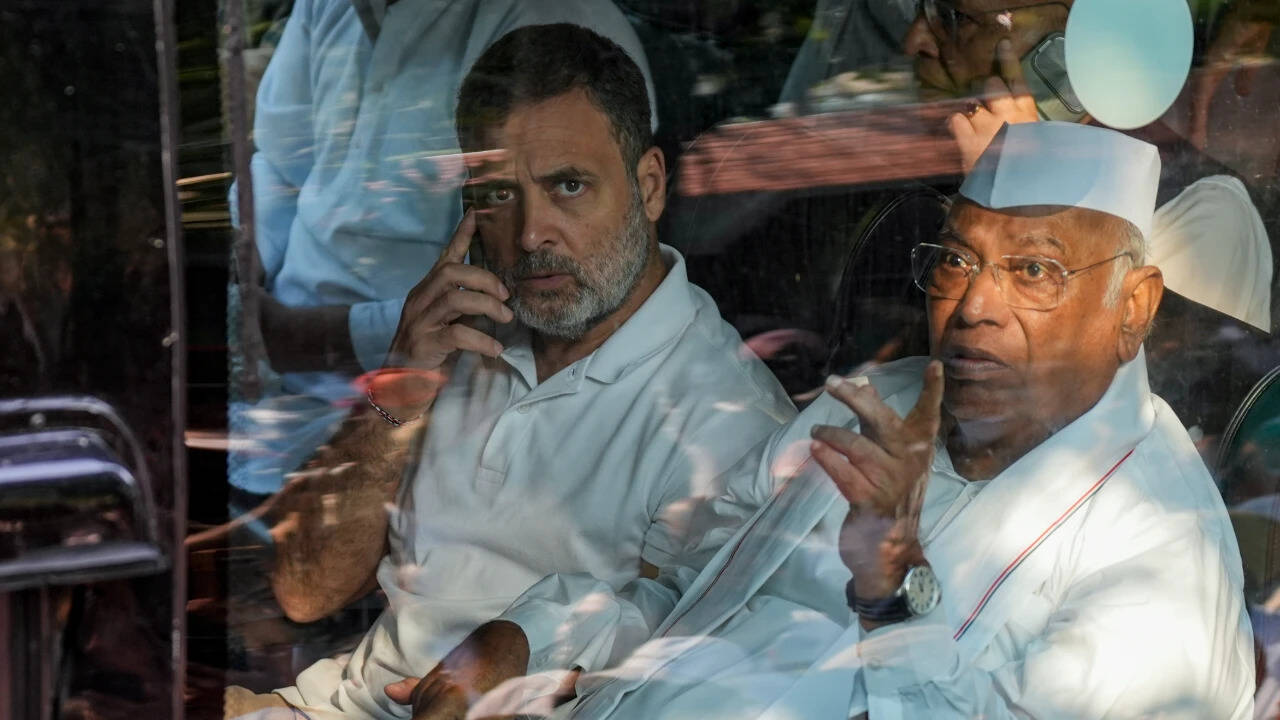
Rahul Gandhi invited MPs and activists associated with the INDIA bloc to join him for tea following a democracy march. • The invitation is described as a post-march gathering of INDIA lawmakers and grassroots activists.
BJP state president N. Ramchander Rao defended the Election Commission of India in recent remarks. • The Congress strongly countered Rao’s comments and asked why the BJP was defending the Election Commission.
About 40 pilots operating SpiceJet's Q400 aircraft refused to fly until the airline cleared pending salary payments. • The action applies to pilots assigned to the Q400 fleet.
Seventeen women who trained at a Punjab government-run coaching centre cleared the NDA exam. • The successful candidates are trainees of the state-run coaching centre in Punjab.
Naidu met leaders of Jana Sena and the BJP to discuss seat-sharing arrangements for upcoming local body elections in Andhra Pradesh. • The talks focused on allocating seats among alliance partners for municipal and panchayat polls.
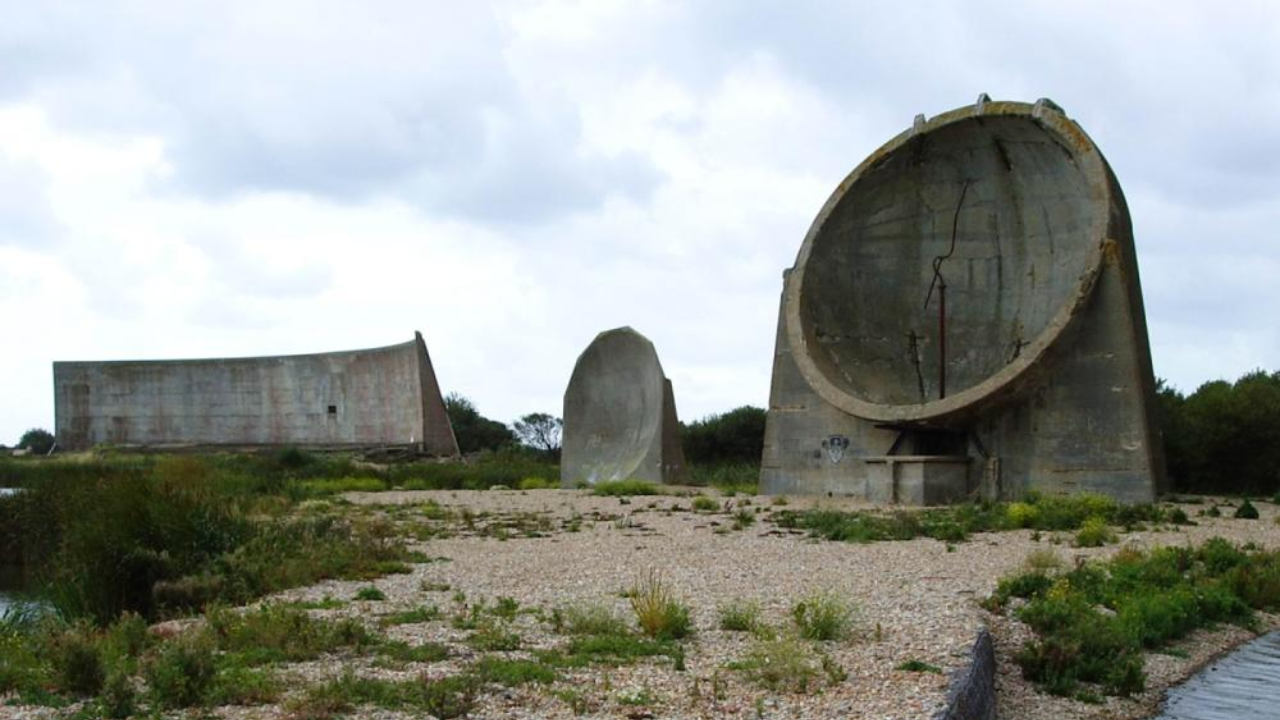
The Denge Sound Mirrors are three large concrete acoustic reflectors built on the Kent coast between 1928 and 1930. • They were designed to focus and amplify the drone of approaching enemy bombers to give defenders a few extra minutes of warning.
Relatives of a Naga man who was beheaded have refused to accept his body. • The kin stated that accepting the body would be against their traditions.
An account aggregator (AA) network has introduced a rate card to standardise charges for moving customer financial data. • The rate card aims to eliminate the need for tech intermediaries that previously facilitated data transfers.
Business Standard's Datanomics analysis found that nearly 20% of registered factories were inoperative during FY16–FY25. • Factory count growth picked up in recent years, rising 2.66% in FY24 and 2.64% in FY25.
Authorities deployed 2,200 police personnel for the India vs West Indies 4th T20 match at Uppal. • A total of 408 CCTV cameras and aerial drones were put in place to monitor the venue and surrounding areas.
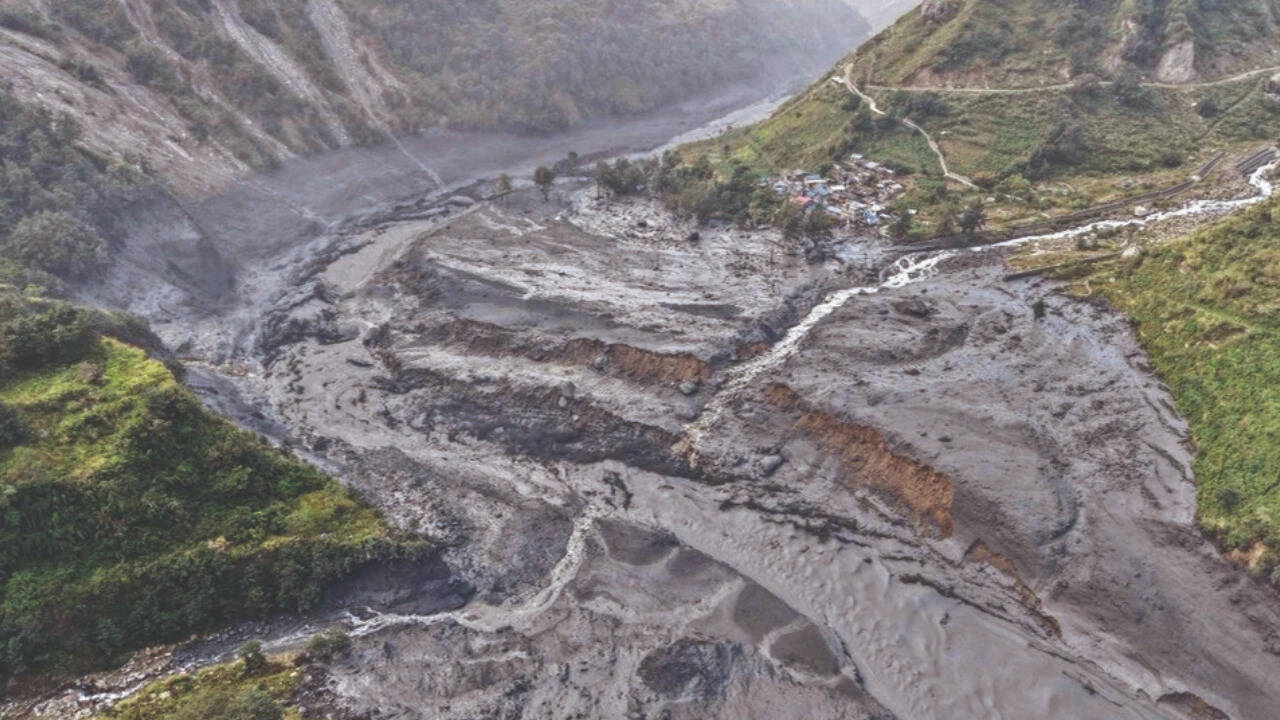
A massive rock avalanche in Nepal is likely to have caused a flood. • Details on the exact location, timing and human or infrastructural impact were not specified.
U.S. academics Robert Hall and Michael Woodford won the 2026 Nobel economics prize on October 12, 2026. • The prize recognises decades of work by Hall and Woodford developing ground-up economic models.
The Hindu editorial invokes Ram Manohar Lohia’s warning that when more than four-fifths of a nation’s vital leadership is drawn from only one-fifth of its population, institutional atrophy follows. • The editorial calls for applying Lohia’s vision to senior and vital leadership posts so that top positions reflect a broader cross-section of the population.
The Supreme Court of India declined to stay a first information report (FIR) alleging graft linked to the Punjab Chief Minister's Office. • The court simultaneously restrained the Central Bureau of Investigation (CBI) from taking any coercive action in the case.
Antarctic sea ice extent fell to an alarmingly low level in 2026. • Scientists warned the low extent reflects a growing decline in Antarctic sea ice and raised concerns about its continuation.
CM Chandrababu Naidu directed officials not to neglect complaints received from the public. • He instructed the Chief Secretary to hold a meeting with district collectors.
Bangladesh has requested India to remove trade restrictions affecting bilateral trade. • The request asks India to lift existing trade curbs; the specific measures targeted were not detailed in the available summary.
Trump and Rubio are considering firing the US ambassador to Greece over an allegation described as a scandal. • The allegation became public while Rubio was touring Europe last week.
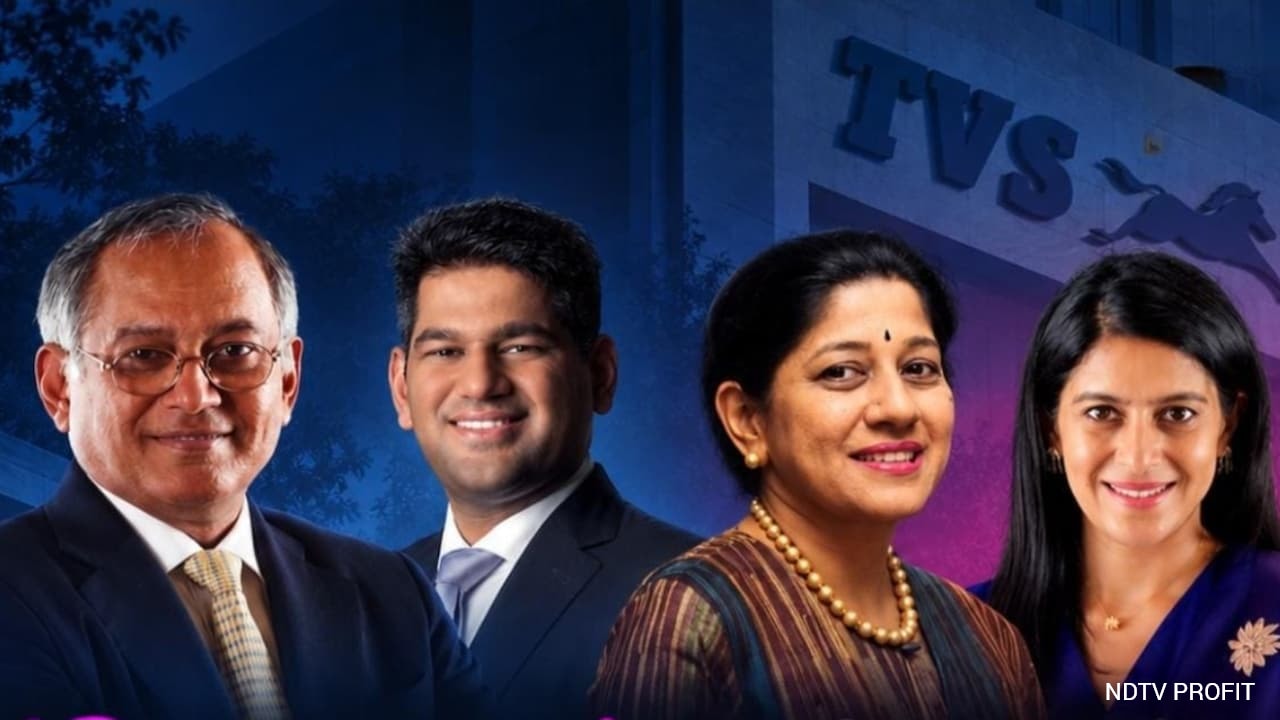
A succession dispute within the TVS family remains unresolved. • The family has not publicly announced a final agreement on the division of family wealth.
Chief Minister Suvendu Adhikari said the West Bengal bypolls held on October 6 proved the BJP does not draw support from just one community. • Adhikari said earlier that 80% of the Muslims in Nandigram voted for the BJP in the October 6 bypoll and that 60% of the minority population in Rejinagar voted for the party in that bypoll.
In West Bengal, SIR appeals have accumulated into a large backlog. • A total of 37 lakh (3.7 million) appeals are awaiting verdict.
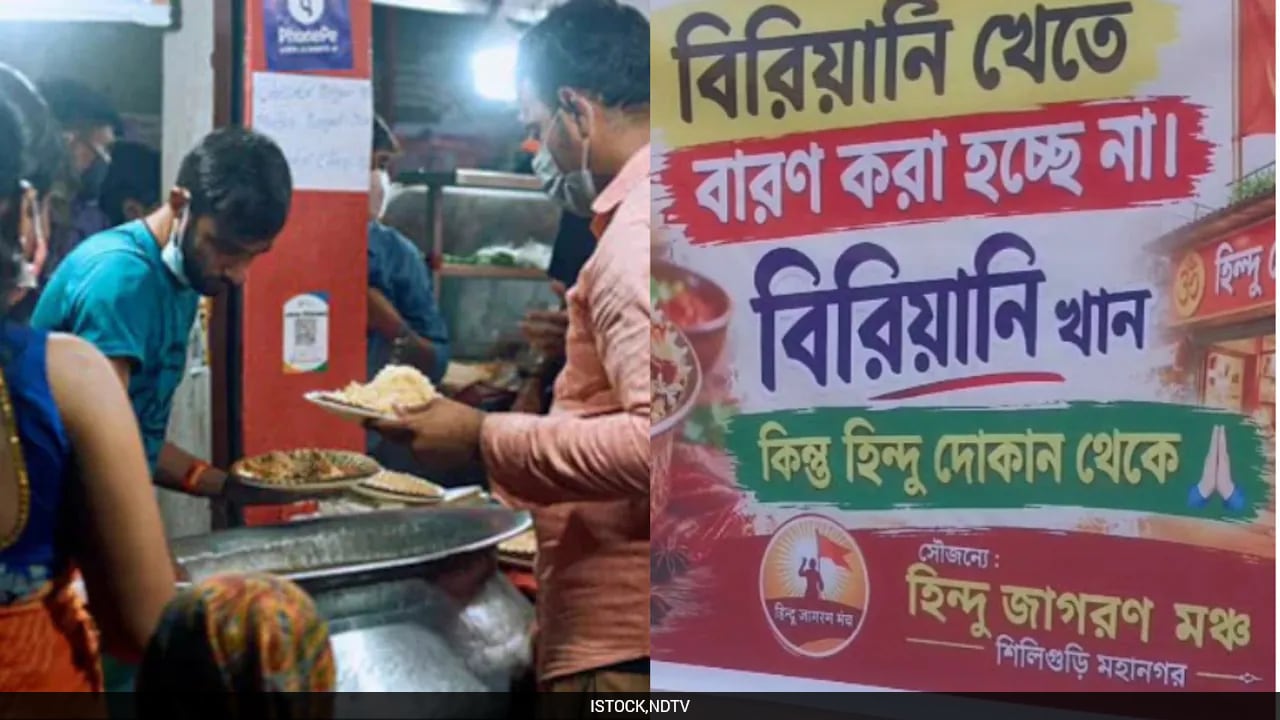
Posters appeared in parts of Bengal carrying the message 'Buy Biryani From Hindu Shops'. • The posters were put up in the run-up to Durga Puja.
The Supreme Court told the government to cap prices of medicines that are not protected by patents. • The instruction concerns pricing of non-patented drugs; the court addressed the matter during proceedings.
The Centre has told state governments to ensure hospitals display their rates prominently. • The instruction covers hospital rates for services and treatments, the Centre said.
Jantar Mantar has been removed as a designated protest hub in Delhi. • Three alternative venues have been named to replace Jantar Mantar as sites for protests.
The Crime Branch-CID (CCB) told the Madras High Court that its investigation revealed collection of a 'party fund' during Anbil Mahesh Poyyamozhi's tenure as School Education Minister. • The CCB made the submission in a counter affidavit filed before Justice V. Lakshminarayanan.
The Andhra Pradesh government has reshuffled 11 Indian Administrative Service (IAS) officers. • Officers were given new postings and full additional charge responsibilities.
The Bharatiya Janata Party's caste outreach influenced its choices for governor appointments in Uttar Pradesh. • These governor appointments were made in the run-up to the Uttar Pradesh assembly polls.
The INDIA bloc filed a petition in the Supreme Court concerning voter deletions linked to the SIR process. • The petition seeks complete files related to SIR, objections submitted by election commissions (ECs) to the SIR, access logs and meeting minutes.
Doval spoke to Iran NSA to discuss the latest developments after two ships were attacked in the Hormuz on Sunday. • Two Indians are still missing following the attack on the two ships.
PMK chief Ramadoss said power cuts affected the Tamil Nadu Secretariat and ministers' offices. • Ramadoss attributed the outages primarily to a "significant gap" between Tamil Nadu's electricity demand and power availability.
Sixty countries endorsed a declaration opposing the imposition of tolls or fees on commercial shipping transiting international straits. • The declaration follows an EU pledge and specifically targets proposals to charge vessels passing through strategic chokepoints such as the Strait of Hormuz.
The Hindu published an opinion piece titled "A common language for justice." • The piece argued that the solution is not to replace one language with another, but to make the work of the court accessible in more Indian languages.
Women journalists gathered at the Ambedkar statue on Tank Bund in Hyderabad on Monday evening. • They held the protest to condemn alleged assaults, sexual harassment and unlawful detention of women reporters.
The Delhi High Court has sought a reply from the police on a petition filed by Natasha Narwal seeking permission to travel abroad. • Narwal's plea requests sanction for overseas travel; the court asked the police to respond before it proceeds further.
A magnitude 6 earthquake struck off the coast of Panama. • Location identified as offshore Panama; details on damage, casualties or tsunami advisories were not provided in the available account.
13,505 girls in Kozhikode were administered the HPV (human papillomavirus) vaccine. • The vaccination drive took place in Kozhikode district, Kerala.
The BJP said Rahul Gandhi is using protests to vent electoral frustration. • The allegation characterises Gandhi's protests as driven by electoral disappointment rather than by policy grievances or constituency issues.
Warren Buffett said most people should not pick individual stocks. • He described how he wants his family to invest his wealth.
VCK moved to pre-empt a potential bid by TVK to rope in PMK. • The action took place in Tamil Nadu and was aimed at blocking TVK’s effort to win over PMK.
The Chief Justice of India said the Supreme Court must not be dragged into political battlefields. • The CJI warned against bringing politics into court proceedings and urged separation between political disputes and judicial processes.
Sudha Yadav has been appointed Governor of Karnataka. • She is the second woman to hold the Governor’s post in Karnataka.
A US archbishop has urged Catholic soldiers to refuse to serve on the firing squad for the execution of Nidal Hasan. • The source identifies Nidal Hasan as the Fort Hood shooter who killed 13.
A total of 3.85 lakh complaints and appeals are pending across 28 information commissions. • The figure covers both complaints and appeals filed under the Right to Information framework.
Justice T. Vinod Kumar has been transferred back to the Telangana High Court from the Madras High Court. • The transfer comes ahead of his scheduled retirement on November 16.
Delhi recorded its highest October rainfall in four years. • Waterlogging was reported in parts of Sainik Farm in south Delhi and Mahipalpur.
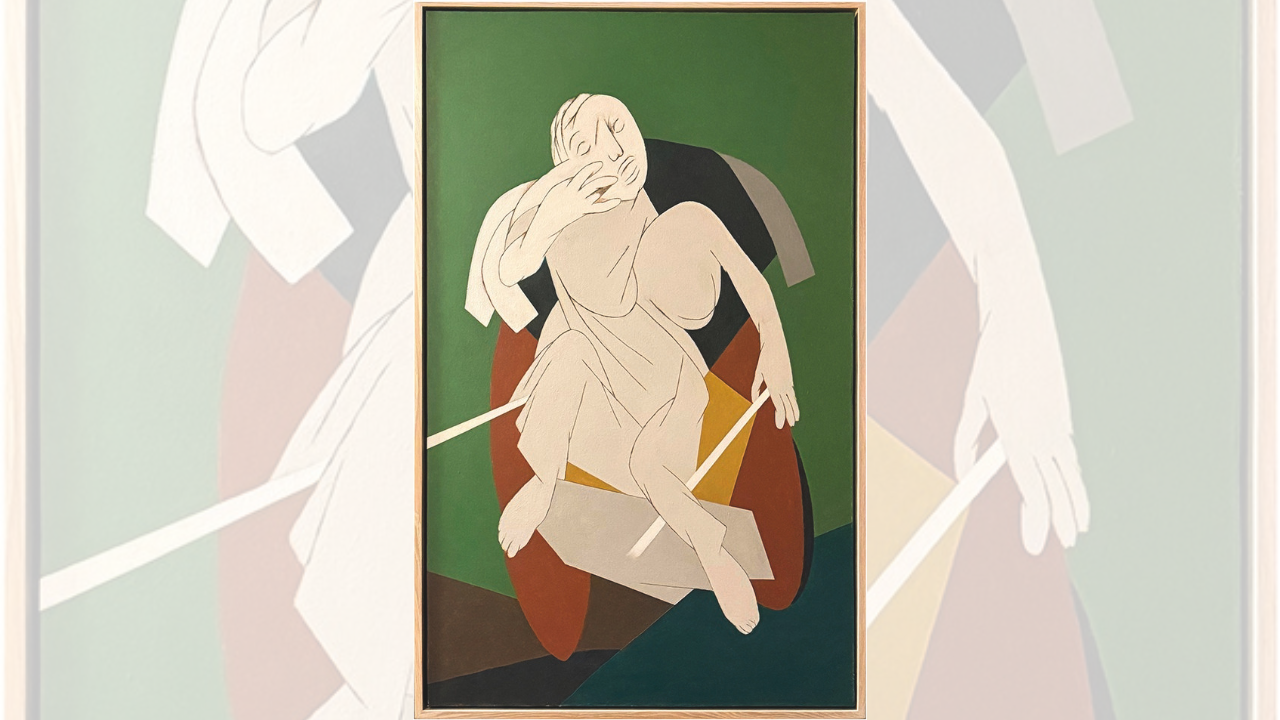
Tyeb Mehta's painting 'Rickshaw Puller' sold for Rs 69 crore. • The sale fetched a record price for the work.
Ravichandran Ashwin said the New Zealand tour is "the most exciting series this India will play this year." • Ashwin spoke about 'RoKo' and other team matters in the same conversation.
The Karnataka High Court quashed the state's increase in reservations for Scheduled Castes (SC) and Scheduled Tribes (ST) that exceeded the 50 per cent reservation ceiling. • The court said the quota hike breached the 50 per cent cap and declared the increase invalid.
PERM certifications across 13 IT companies totaled 607 in a nine‑month period. • This figure is down from 1,670 PERM certifications recorded in FY25.
Twenty-seven relief camps have been readied for residents of flood‑prone areas in Sholinganallur and Perungudi. • Minister K. Vignesh inspected monsoon preparedness in some of the most flood‑prone areas in the southern part of the city.
BJP Mahila Morcha staged a protest outside the Congress headquarters in New Delhi over the JNU sexual harassment case. • The Mahila Morcha demanded the expulsion of an MP in connection with the JNU sexual harassment case.
Delhi Chief Minister launched an online portal for the DURGA e-auto scheme. • The scheme and portal are targeted at women and transgender persons.
The Delhi High Court has sought a police report concerning the illegal confinement of an activist. • The court asked the police to investigate the circumstances of the activist's confinement and file a report in the case.
The Hindu Downtown announced the MoC Kolu Kondattam 2026 contest. • The announcement was made by The Hindu Downtown and published on thehindu.com.
YSRCP will prioritise digital outreach and strengthening party organisation ahead of local body elections in Andhra Pradesh. • Sajjala instructed various wings of the party to identify alternative candidates for every seat.
An electric scooter caught fire in Jagtial District. • The scooter's battery exploded within seconds and flames quickly engulfed the vehicle.
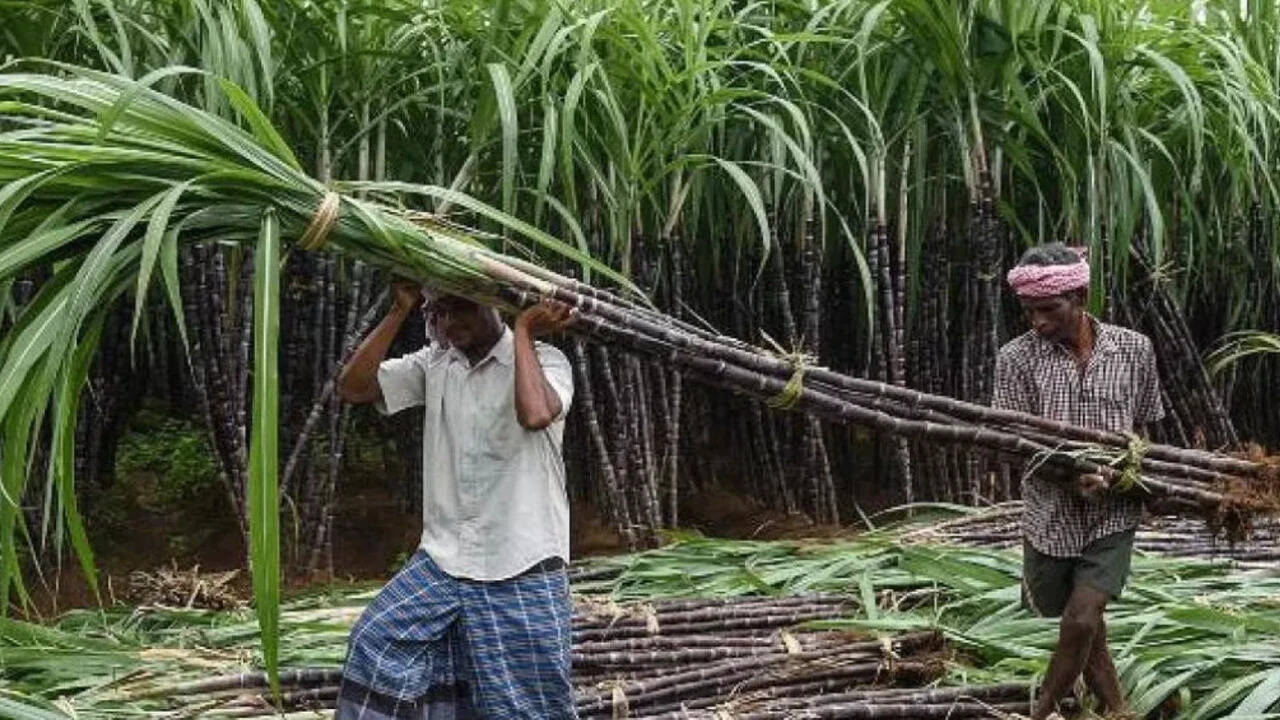
A panel has been constituted to address grievances of sugarcane growers in India. • The panel's mandate is to examine growers' complaints and recommend remedial measures.
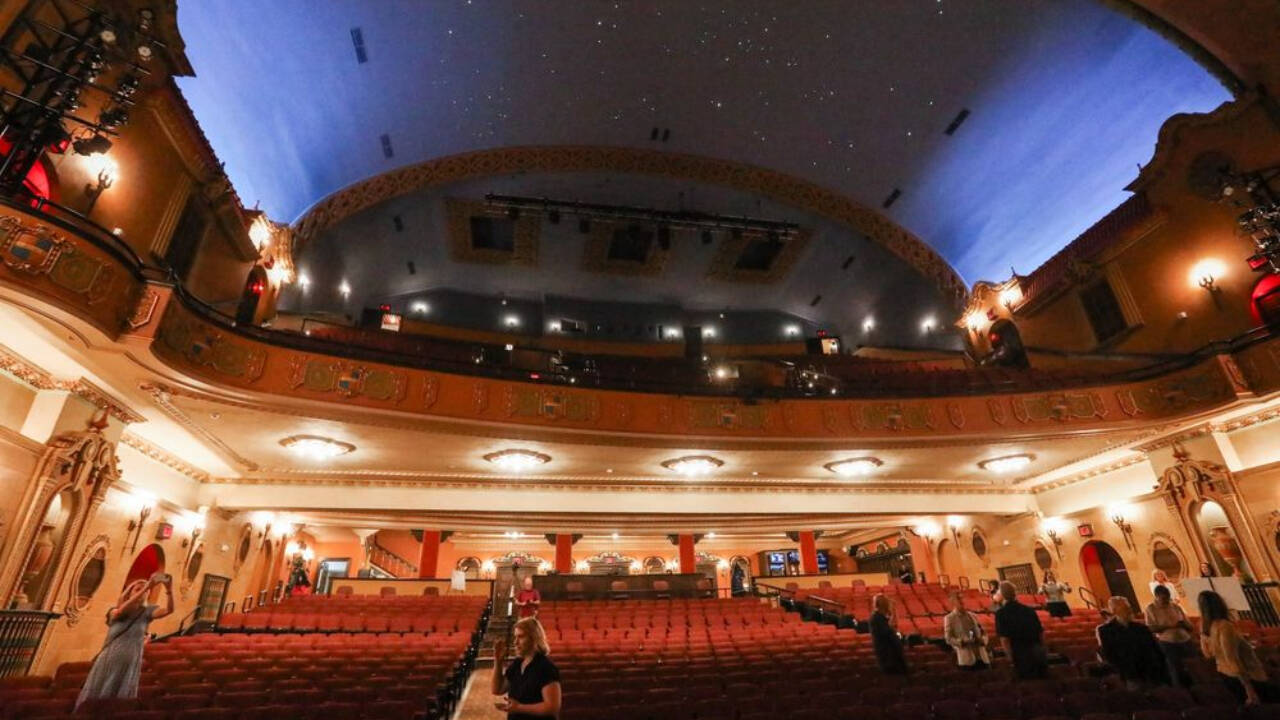
Wichita’s 104‑year‑old Orpheum Theatre has reopened after a $13 million restoration. • The historic theatre in Wichita was restored to preserve and rehabilitate the building and its facilities.
David and Michelle Baldacci launched the Feeding Body & Mind initiative to address food insecurity and improve literacy. • The program collects and distributes books through local food banks so families visiting for food assistance can also take home reading materials.
The Enforcement Directorate carried out searches at eight locations in Kolkata. • Searches were part of a money‑laundering investigation.
A man’s body was found crushed by multiple vehicles on the Jhansi–Kanpur highway in Jhansi district, Uttar Pradesh. • The body was discovered after the victim’s son spotted a pair of slippers and traced them to the scene.
At an event in Chennai, a speaker said: “Future of leadership is ability to be a boundary-less leader.” • The statement framed boundary-less leadership as a key attribute for future leaders.
Heavy rain led to waterlogging across parts of Gurugram and Faridabad. • Several intersections and residential neighbourhoods remained waterlogged.
Two people died after inhaling toxic gas in a corporation drainage sump in Kodungaiyur. • The victims entered the drainage sump prior to the deaths.
The newly opened Poonamallee–Vadapalani stretch of Chennai Metro Rail recorded more than 25,000 passengers on its first day of operation. • Poonamallee Bypass station saw the highest single-station footfall with 4,800 passengers on day 1.
Hertsmere Borough Council withdrew a proposed 3,750‑home extension at Well End following public consultation feedback. • The council removed multiple large developments from its draft Local Plan, together eliminating 6,752 planned homes.
Rahul Gandhi has called MPs of the INDIA bloc to a strategy meeting. • The meeting's stated purpose is to plan and coordinate protests over 'vote chori'.
India Meteorological Department (IMD) has identified a low pressure area over the Bay of Bengal. • The IMD forecasts that the system may bring moderate showers to all three regions of Andhra Pradesh.
Marathas defeated the Archers in a match that was decided by a shootoff. • The contest was closely contested and concluded with the Marathas prevailing in the shootoff.
Dhir recovered from a period away from his best to regain form. • He produced improved performances in recent matches that signalled a comeback.
A person familiar with the matter said Bumble is in advanced talks to be taken private by Ithaca Holdings in a deal valuing the company at roughly $1 billion. • Bumble shares rose about 52% to $3.86 on the news; the company had a market valuation of roughly $389 million at Friday's close.
The Indian Currency League was an organisation referenced in October 1926 records. • The league focused on matters relating to India’s currency and monetary questions.
Cynthia Morgan, a school bus driver in Maryland, was removed from her route after allowing a 10-year-old boy to step off the bus to rescue a kitten. • A petition calling for Morgan's reinstatement has gathered more than 800 signatures.
Workers of the Chennai Metropolitan Water Supply and Sewerage Board (CMWSSB) sought fair wages, citing long working hours. • The demand centres on adjustments to pay to reflect the extended hours the workers say they perform.
La Pitchoune was built in Provence by Julia Child and her husband in 1963. • The Childs used the house for nearly three decades and Julia Child gave it up in 1992.
Delhi recorded its highest October rainfall since 2022. • Rainfall caused waterlogging and led to traffic diversions in parts of the city.
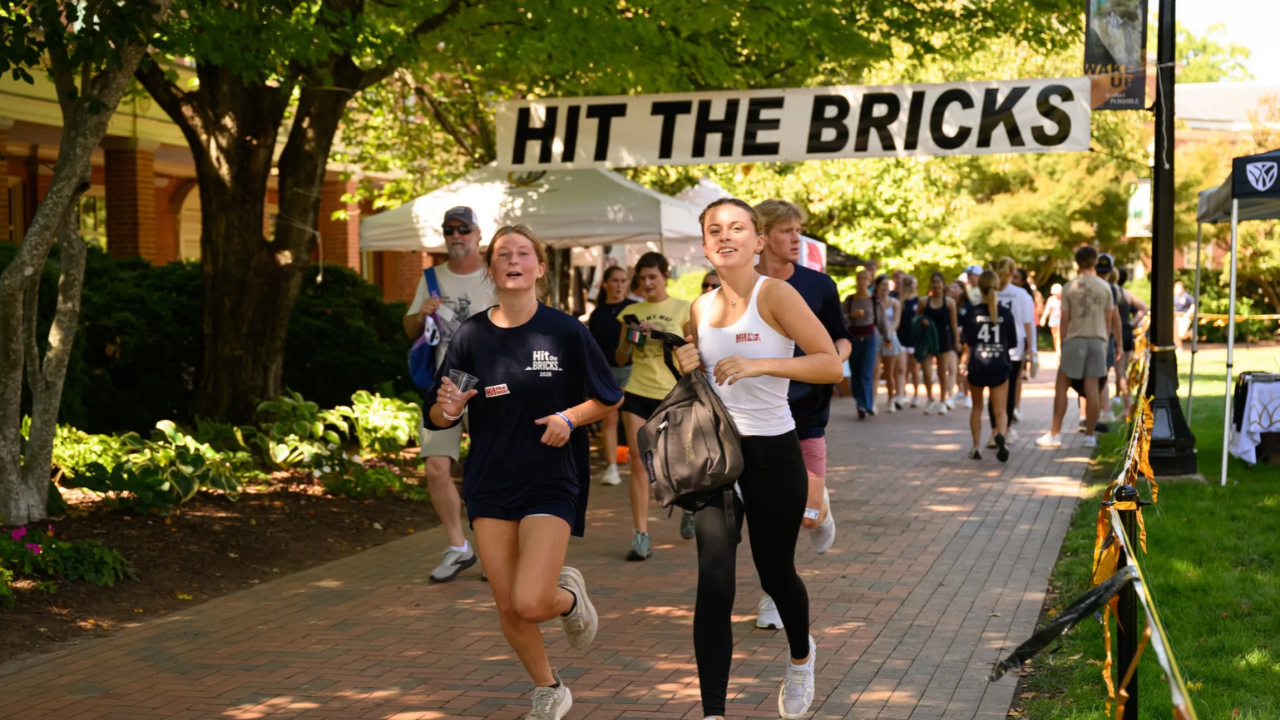
Event: Hit the Bricks fundraiser held at Wake Forest University on October 1. • Participation: 2,406 runners and walkers took part in the event.
A Durga Utsav event was held at Times Square and attracted crowds despite adverse weather conditions. • Organisers honoured six organisations during the event.
An osteoporosis awareness and detection camp will be held on Oct. 20 in Chennai. • The camp will offer early assessment and detection to identify people at risk of weakened bones and fractures.
CavinKare has opened nominations for the 25th CavinKare Ability Awards, scheduled for 2027. • Organisers are inviting nominations under two categories.
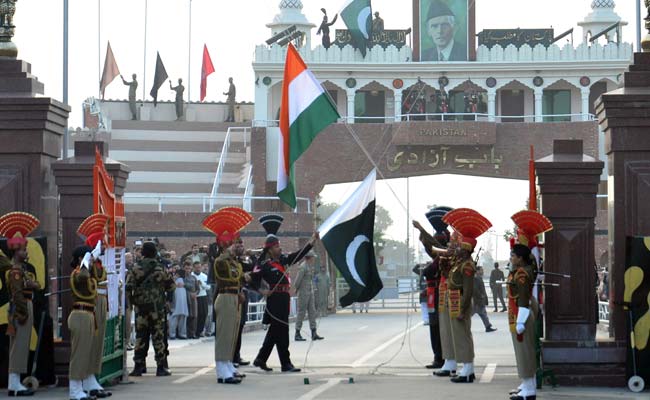
A Pakistani man was detained near the Attari border after he ignored a warning to stop. • Police detained him and are questioning him to establish the circumstances of his alleged entry.
RJ Mitte, the actor who played Walter White Jr. on the television series Breaking Bad, has died at the age of 34. Mitte was known both for his role on Breaking Bad and for his work as a disability rights champion and advocate. He is being remembered for his disability advocacy as well as his acting career.
A 29-year-old man was beaten to death by bouncers at a nightclub in Delhi after beer spilled on a woman. India Today identified the victim as a driver and located the incident in Sarai Rohilla. The assailants are described as the club's bouncers, and the confrontation after the spill resulted in the man's death.
US actress Selma Blair, 54, was taken into custody after a mid-air incident in which she allegedly bit a flight attendant. Two cabin crew members were injured; Blair and one of the injured crew members were taken to hospital for evaluation.
Agencies flagged security concerns over satellite internet services provided by a foreign operator. The agencies identified potential risks tied to the presence and operation of the operator's satellite internet infrastructure and services, and raised those concerns while evaluating the implications of permitting foreign-controlled satellite internet access.
Assam Chief Minister Himanta Biswa Sarma said a SIR should be conducted every five years to check influx into the region. He cited a demographic shift in four eastern States to underline the need for periodic reviews.
Sarma advocated using SIRs at five-year intervals as a systematic way to monitor and respond to population movement. He did not provide additional details on the scope, authority or timing for implementing the proposed SIRs.
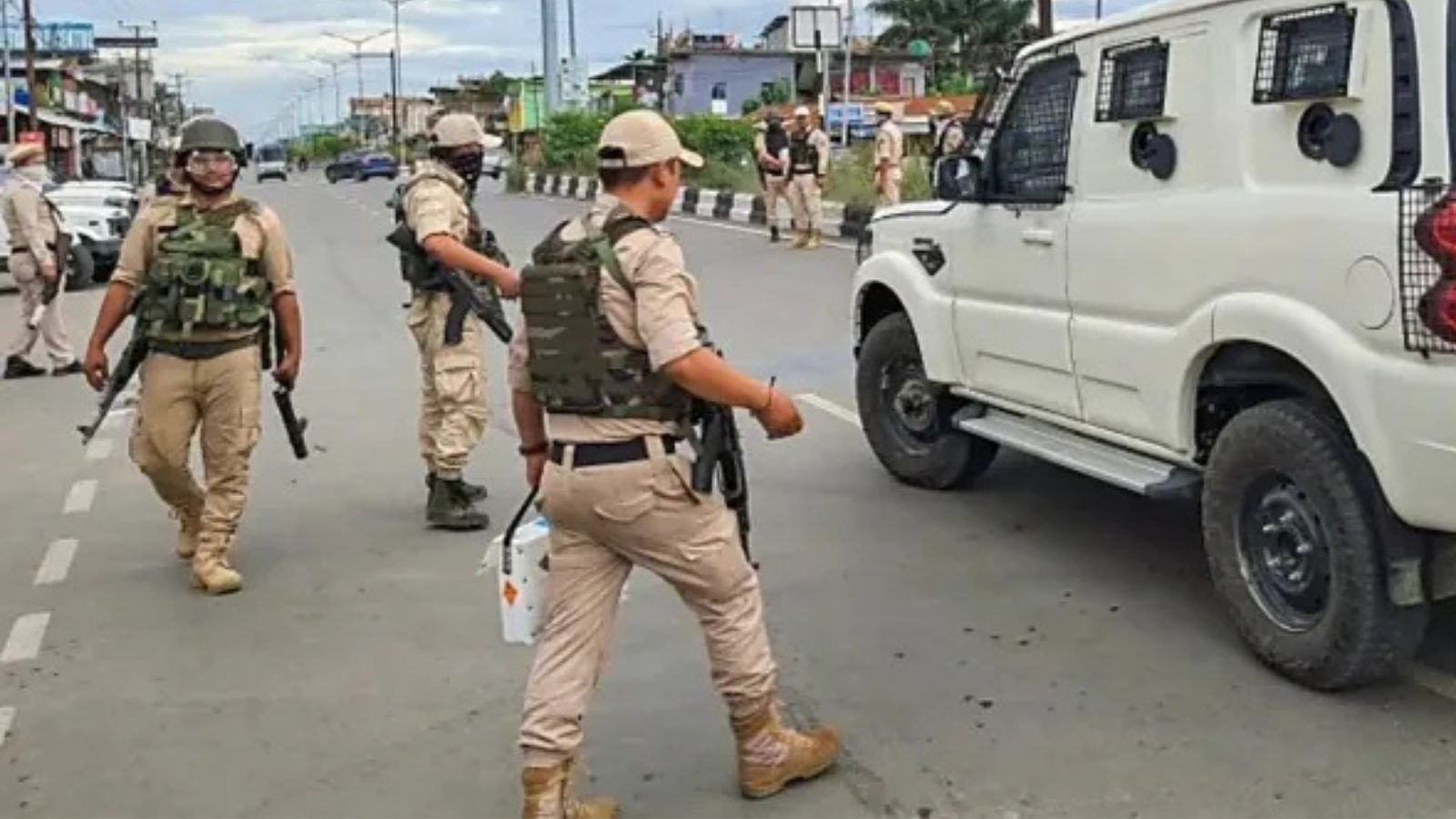
The Delhi Police has denotified Jantar Mantar and named three alternative venues for public protests: Burari Ground, CBD Ground and Ramlila Maidan.
The three sites vary in size and setting. Burari Ground is the largest of the three. Ramlila Maidan is noted for its long-standing role in political gatherings. CBD Ground is situated close to commercial and residential areas.
An IIT Indore study maps an ongoing shift in Delhi’s protest landscape — from Rajpath to Jantar Mantar and now to more distant locations — and attributes the movement to actions by authorities. The study warns that relocating demonstrations away from centres of power can diminish their visibility, accessibility and overall effectiveness, reducing public engagement with protests.
The designation of the new venues formalises a spatial reorganisation of where public demonstrations may be held in the city, moving protest activity away from the central sites historically associated with political demonstration.
Bombay High Court has directed the accused in the Goa fire case to deposit interim compensation of ₹20 lakh each. The court specified that the deposits "would be subject to final contentions in the main matter." The order was issued as part of the ongoing proceedings in the case.
The Supreme Court, while dealing with a matter related to a ban on firecrackers, observed that courts should not pass orders that are difficult to enforce. The Court's remark came during the proceedings concerning the cracker ban.
A new criminal charge alleges that Former Venezuelan President Nicolás Maduro and his wife are responsible for the alleged torture of US citizens detained in Venezuela. The accusation concerns United States citizens who were in custody in the South American country.
The available summary describes the accusation as a new criminal charge but does not provide details on who filed the charge, where it was filed, or the specific incidents cited. The summary also does not include information about any legal proceedings, responses from the accused, or findings by courts or investigators.
The Jammu and Kashmir Waqf Board has pushed for uniform Friday sermons across the Union territory and proposed forming a preachers' committee to decide sermon topics in advance. The Board said the committee would set and coordinate the topics to be delivered during Friday congregational prayers.
The Chief Minister said Karnataka will continue a probe into efforts to illegally delete names of genuine voters from the electoral rolls. The investigation targets misuse of Form 7 applications, which are used to seek deletion of names.
The Chief Minister said lakhs of Form 7 applications had been withdrawn after cases were filed against people who were misusing the mechanism to get genuine voters' names deleted. The state has filed cases and is pursuing investigations and legal action against those allegedly misusing the deletion process.
The Tamilaga Vettri Kazhagam (TVK), a newly formed political outfit, won against the Dravida Munnetra Kazhagam (DMK) in the April Assembly election and in the October 6 by-polls.
Electoral data indicate that, despite these defeats, the DMK retained a substantial and autonomous core vote bank. The party continues to serve as the principal opposition.
Because it sustained voter support even after the losses, the DMK is positioned to remain a key challenger to the TVK in future elections, including the 2029 Lok Sabha polls.
Ramlila Maidan in Delhi, designated as one of the city's new protest sites, is proving to be an expensive and logistically difficult option for demonstration organisers. Booking records show no free dates available for the next two and a half months, and booking fees exceed Rs 1 lakh.
The fee structure and limited availability contrast with Jantar Mantar, which had been available to protesters free of charge. Ramlila Maidan remains a venue with deep political history and is still used for large public gatherings.
Event organisers also face practical challenges: the Maidan's central, busy commercial setting leads to significant traffic disruption and other logistical complications when demonstrations take place.
INMECC said India is poised to woo global investments amid US curbs and urged Central and State governments, along with private-sector stakeholders, to explore the emerging opportunity.
The organisation said it is actively engaged in facilitating investment opportunities in India and called for coordinated action by government and business to capitalise on shifting investment flows.
Retail inflation rose to 5.5%, its highest level in nine months, driven mainly by increases in food prices. The uptick in food inflation pushed the overall retail consumer price index higher, reversing earlier moderation in consumer price gains.
Delhi’s winter action plan has been disrupted by a delay in the arrival of 70 large Mechanical Road Sweepers (MRS). Environment Minister Manjinder Singh Sirsa said an order has been issued for the 70 MRS machines and that at least some of them are expected to arrive by the end of November. The postponed deliveries mean the new sweeping equipment will not be in place before the start of winter, affecting planned cleaning operations.
The Food Safety and Standards Authority of India (FSSAI) has insisted that Old Monk be labelled as "rum-like". The move is reported to put about Rs 500 crore at stake for Old Monk. The matter relates to FSSAI's labelling requirement for the product.
On Monday the Iran-backed Houthi movement said it launched a missile that targeted Riyadh's international airport.
The Saudi-led coalition said it had shot down a missile over the capital, Riyadh. The statements did not provide independent confirmation of damage or casualties.
The Centre and state governments will draft rules for existing arrest cases under the Goods and Services Tax (GST). The rule-drafting exercise covers cases already registered and involving arrests under GST provisions, and involves cooperation between central and state authorities.
Andhra Pradesh plans to develop Kakinada into a major international logistics and export hub by integrating ports, roads, railways and waterways. The state government says the multimodal connectivity project is intended to strengthen export infrastructure and boost trade by improving cargo movement and linkages between transport modes.
The Speaker rejected an objection over the use of the term 'Kerala Niyamasabha' for official purposes. The objection had sought to challenge the official use of the phrase, but the Speaker declined the challenge, allowing continued official use of 'Kerala Niyamasabha'. The available source did not specify who raised the objection or the detailed grounds for it.
The central government and state governments will cooperate to widen the Goods and Services Tax (GST) base. The initiative is intended to expand the range of taxpayers and transactions subject to GST, with both the Centre and states participating in the effort. No specific measures or timelines were provided in the announcement.
The Indian Army has launched ‘Bharat Rice’, a superior-quality rice designated for defence forces to improve troop rations and strengthen logistics.
The Directorate General of Supplies and Transport is leading the initiative, which establishes direct supply lines to Army Supply Depots, including facilities in remote areas.
An MoU with the Food Corporation of India (FCI) provides for use of FCI infrastructure during contingencies to support distribution and storage requirements.
Defence Minister Rajnath Singh said the move will enhance soldier welfare, operational readiness and national security, and emphasised logistics as a component of combat power.
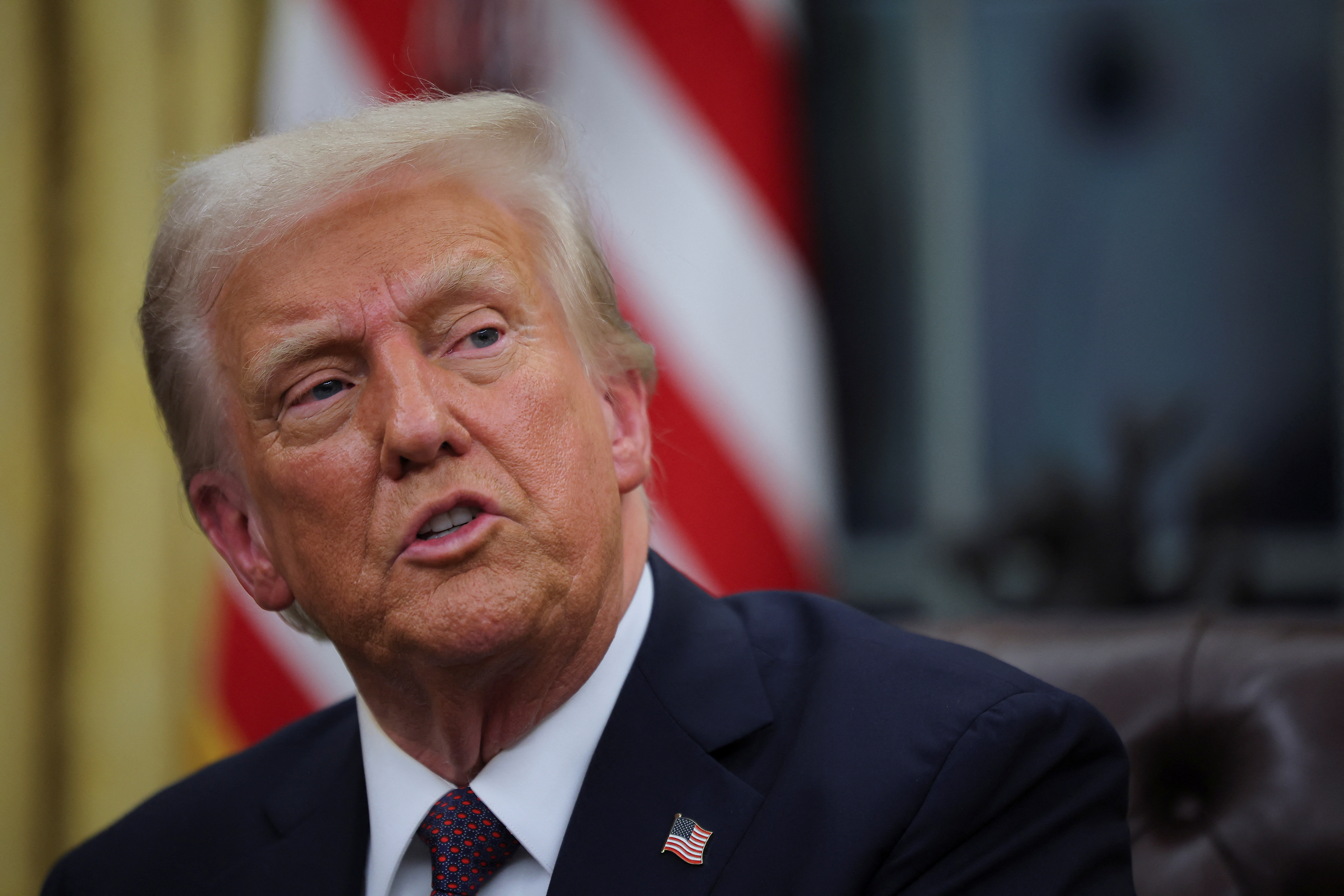
Trump said that the outcome of the US midterm elections will not change policy toward Iran and added that the war will end "very soon," using his own words. He framed the midterms as having no bearing on US-Iran policy and expressed an expectation of a near-term end to the conflict.
A man stabbed a married woman, Anjali, to death and injured her sister-in-law in Telangana. The victim’s brother-in-law, Dileep, filed a complaint alleging the attacker acted after Anjali rejected his marriage proposal. Police have begun investigations into the incident, and said Anjali’s husband, Sagar, is currently in jail in a criminal case.
President Droupadi Murmu announced a gubernatorial reshuffle, appointing new governors for six states: Tamil Nadu, Keralam, Sikkim, Karnataka, Uttarakhand and Odisha.
Rajendra Vishwanath Arlekar is being moved from Keralam to Tamil Nadu. Om Prakash Mathur has been appointed Governor of Keralam.
Other individuals named among the new appointees are Dushyant Gautam, Sudha Yadav, Dhal Singh Bisen and Braj Mohan Ram. The available announcement lists these appointments but does not specify the state assignments for each of the additional named appointees in the abstract provided.
Elon Musk criticised India's "oligarchs" in comments about Starlink. Bernie Sanders responded by turning the charge back on Musk, making Musk the target of the same criticism.
Ajit Doval and his Iran counterpart discussed the security situation in West Asia. The talks addressed regional security developments. Details on the venue, timing and any specific outcomes were not disclosed.
Prices of pulses in India have risen sharply amid adverse weather and a supply crunch. Lower domestic supplies, combined with costlier imports, have put upward pressure on pulse prices. Pigeon pea (tur) prices are approaching the highs recorded in 2023–24.
The Morcha met Bhagwant Mann and, after the meeting, said Jagtar Singh Hawara could be released from jail at any time. The group has publicly claimed that Hawara 'could come out of jail at any time.' The Morcha did not provide further details on the timeline, legal process, or any official confirmation of a release.
IKEA said it is targeting a fourfold increase in its revenue in India by 2030.
The company set this growth goal specifically for its India business.
A man from Puttur lost Rs 1.31 crore after falling victim to a 'digital arrest' scam.
The fraudsters accused him of money laundering and funding terrorism, threatened him with severe punishments including the death penalty and life imprisonment, and kept him under surveillance through WhatsApp video calls for several days to force payment.
CJP announced plans to hold protests across Rajasthan, saying, “Will make Jantar Mantar in every city.” The statement signals the organisation's intention to establish protest sites in multiple cities across the state as part of a statewide mobilisation.
Akali Dal has made women a central focus of its agenda in Punjab, combining attention to the drugs problem with pledges of financial assistance, the party has said.
Harsimrat Kaur said that women were promised Rs 60,000 but are now getting Rs 3,000, pointing to a gap between the amount initially promised and the amount being distributed.
The party positions these measures as part of its outreach to women voters in the state.
Protests in Delhi, and the traffic curbs imposed in response, disrupted hospitality activity in the city. Hospitality companies cancelled conferences and events as a result of the disruptions.
Those cancellations led to a measurable hit to hotel business through fewer bookings and reduced event-related revenue for establishments in affected areas.
The three-day BRICS Theatre Festival opened in Delhi, with performances and programming organised under the festival banner.
India showcased a theatrical production titled "Samudra Manthan" as part of the festival lineup.
The festival spans three days in Delhi and includes theatrical offerings tied to BRICS participating countries.
Hackers accessed refrigeration systems at several supermarkets in France and manipulated temperature controls, raising temperatures inside display and storage units to roughly 50°C. The sudden temperature increases spoiled frozen and chilled food and, in some locations, caused electrical faults that led to small fires.
Supermarket operators have begun investigations into the cyber intrusion and are working with authorities to assess the scope of the damage, secure systems and restore safe refrigeration. The incident has disrupted store operations and prompted reviews of industrial control system security across affected outlets.
Andhra posted 331 for 6 against Karnataka. Rahul compiled 108 runs from 187 balls, striking 10 boundaries. Revanth contributed 97 off 143 deliveries, including 13 fours. The two innings were central to Andhra’s total of 331/6 in the contest with Karnataka.
The Supreme Court said it has not yet issued a ruling on the revised Form 6 and that the matter remains pending before the court. The court did not provide a timeline for when a decision would be delivered.
Tejas and the Centre for Development of Telematics (C-DoT) said that equipment supplied to Bharat Sanchar Nigam Ltd (BSNL) meet the Telecom Regulatory Authority of India (TRAI) standards. The organisations presented this assertion about the technical and regulatory compliance of BSNL's telecom equipment.
Rahul Gandhi invited MPs and activists associated with the INDIA bloc to a tea meeting after a democracy march. The invitation frames the gathering as a follow-up to the march; details on venue, timing and the agenda were not specified.
BJP state president N. Ramchander Rao defended the Election Commission of India in remarks that prompted a strong response from the Congress.
The Congress countered Rao’s comments, questioning why the BJP was defending the Election Commission and saying that Election Commission officials should have been responding to allegations.
Around 40 pilots operating SpiceJet's Q400 aircraft refused to operate flights until the airline cleared pending salary dues, the pilots said. The work refusal affects pilots assigned to the Q400 fleet. Pilots' grouping ALPA India supported the stance demanding payment of outstanding salaries. There is no statement from SpiceJet in the available account.
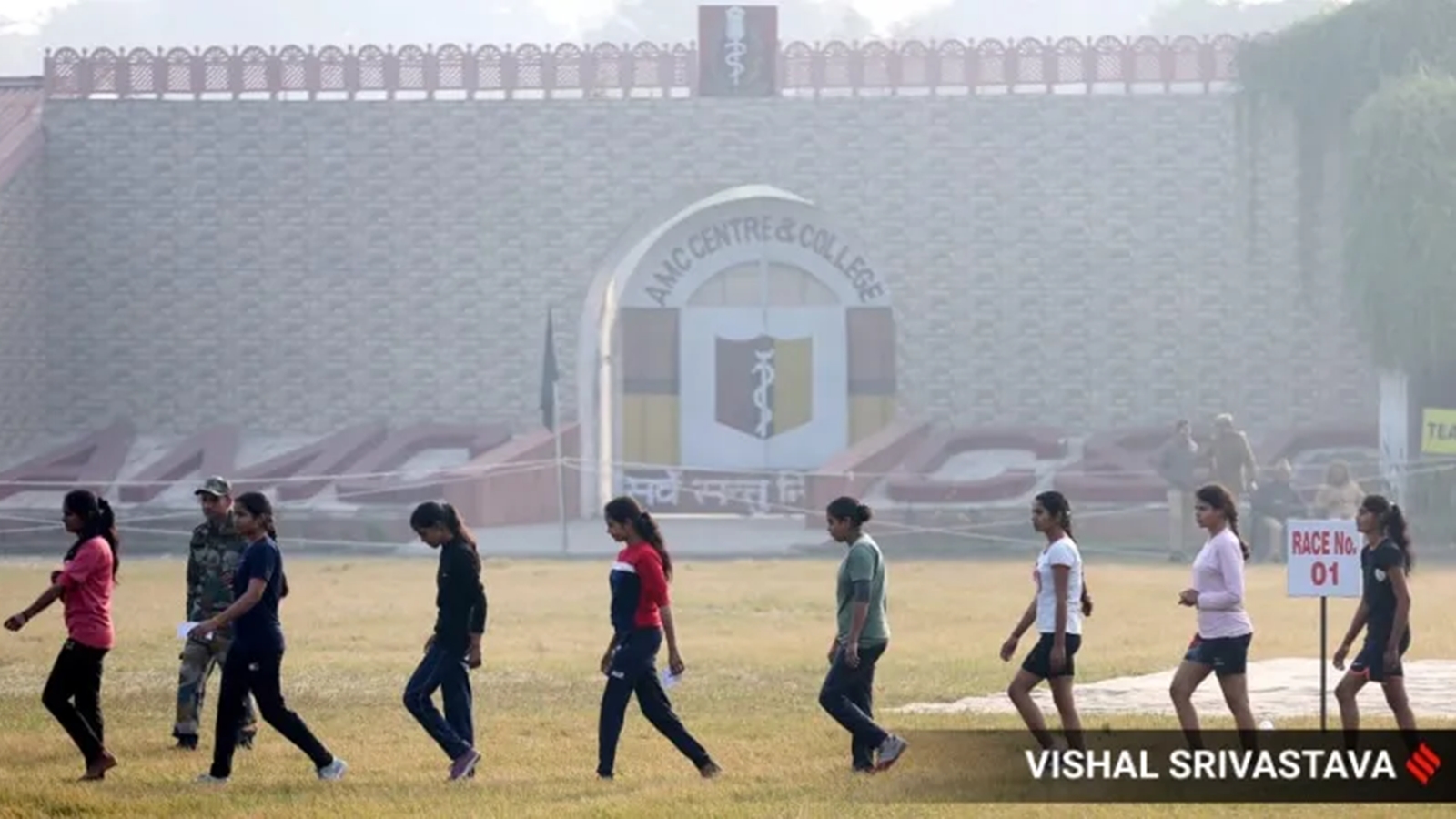
Seventeen women who trained at a Punjab government-run coaching centre have cleared the NDA exam. The successful candidates are trainees of the state-run coaching centre in Punjab and have qualified in the National Defence Academy entrance examination.
Naidu met leaders of Jana Sena and the BJP in Andhra Pradesh to discuss seat-sharing arrangements for forthcoming local body elections. The talks centred on distribution of municipal and panchayat seats among alliance partners.
The alliance said it aims to improve on its performance in the last Andhra Pradesh Assembly elections, when it won 164 of 175 seats, recording a strike rate of about 93%.
The Denge Sound Mirrors are three concrete acoustic reflectors constructed on the Kent coast between 1928 and 1930. Led by physicist Dr William Sansome Tucker, the mirrors were intended to catch and focus the drone of approaching enemy bombers so defenders could gain a few extra minutes of warning.
Faster aircraft, rising background noise and the arrival of radar rendered the sound mirrors obsolete, and they were abandoned by 1939.
Relatives of a Naga man who was beheaded have declined to accept his body, saying that receiving it would be against their traditions.
The refusal came after the man was killed by beheading; his kin have cited customary practices as the reason for not taking the body.
An account aggregator (AA) network has introduced a rate card that standardises charges for transferring customer financial data between institutions. The rate card is intended to remove the role of tech intermediaries by providing a formal pricing structure for data flows.
Account aggregators move a customer's financial data from one institution to another — for example, from a bank to a lender — and do so only with the customer's consent. The rate card formalises how such consent-driven data transfers will be priced across the AA network.
Business Standard's Datanomics analysis shows that nearly 20% of registered factories were inoperative over the fiscal period FY16–FY25. While the number of registered factories grew — with growth rates of 2.66% in FY24 and 2.64% in FY25 — the analysis notes that a rise in factory registrations does not necessarily mean an increase in actual industrial capacity.
For the India vs West Indies 4th T20 at Uppal, authorities deployed 2,200 police personnel to manage security and public order. Security arrangements included 408 CCTV cameras and the use of aerial drones to monitor the stadium precinct and surrounding areas.
Five She Teams were positioned at strategic locations to prevent harassment and ensure women's safety. Separate special teams were tasked with monitoring suspected drug-related activities in and around the venue. Officials framed these measures as preparations for the high-voltage Uppal clash between India and West Indies.
A massive rock avalanche is likely to have caused a flood in Nepal. The available account indicates the avalanche triggered the flood, but it does not specify the exact location, timing or the extent of human or infrastructural impact. Official confirmations, casualty figures and damage assessments were not provided.
On October 12, 2026, U.S. academics Robert Hall and Michael Woodford were awarded the 2026 Nobel economics prize. The committee honoured their decades of work developing ground-up economic models.
The jury highlighted that the models Hall and Woodford developed are used by central banks and finance ministries worldwide to help stabilise economies and guide policy responses to economic shocks.
The Hindu’s editorial recalls Ram Manohar Lohia’s warning that when more than four-fifths of a nation’s vital leadership is drawn from only one-fifth of its population, atrophy follows. The editorial argues that this warning should guide the selection and distribution of senior and vital leadership posts.
The piece urges that top posts be filled in a manner that reflects a broader cross‑section of the population, in order to realise Lohia’s vision and avoid the concentration of leadership the editorial says leads to institutional decline.
In 2026 Antarctic sea ice extent fell to an alarmingly low level. Scientists said the observed low point forms part of a growing decline in Antarctic sea ice and expressed concern about the trend.
Researchers emphasised the need for continued monitoring and further study to track the trajectory of Antarctic sea ice and to better understand the factors driving the decline.
CM Chandrababu Naidu has directed officials not to neglect complaints from the public. He asked the Chief Secretary to convene a meeting with district collectors to ensure that complaints received at the PGRS are resolved efficiently and expeditiously, with the objective of giving relief to affected people.
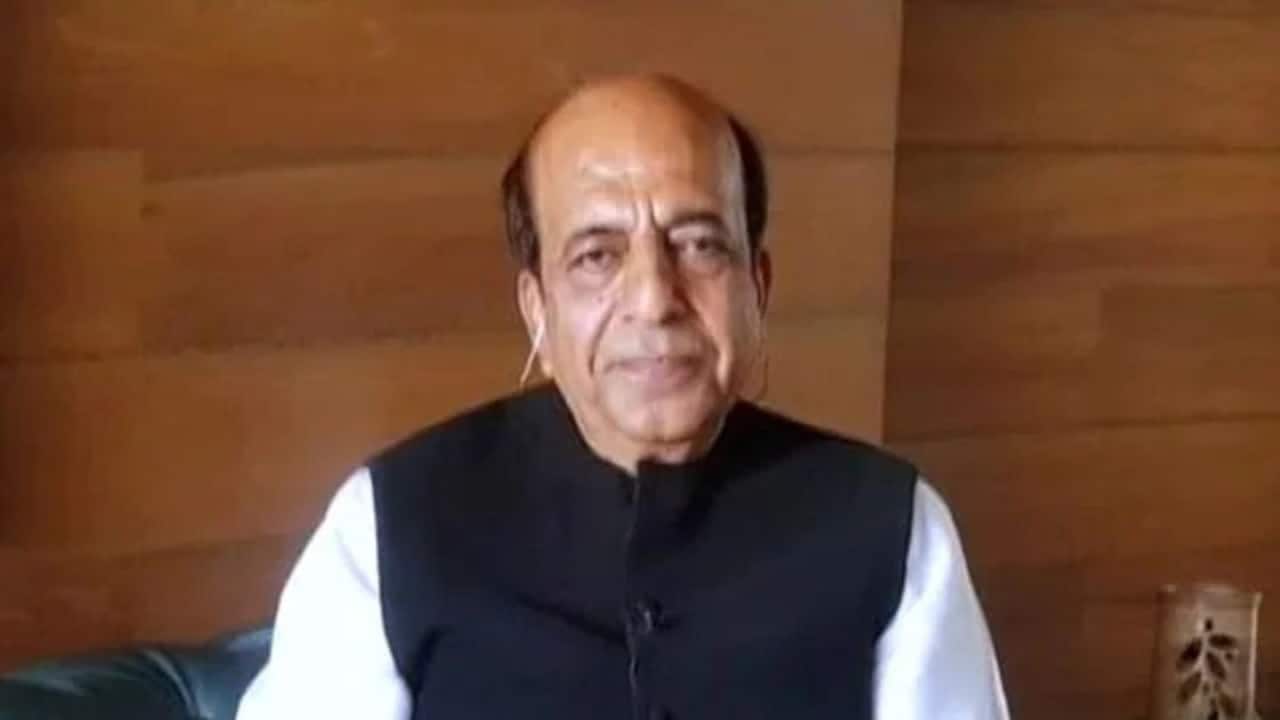
Bangladesh has requested India to remove trade restrictions that it says are affecting bilateral commerce.
The request seeks the lifting of existing trade curbs imposed by India; the specific restrictions and any proposed timeline for their removal were not detailed in the available summary.
The name Dinesh Trivedi appears in connection with the request.
Trump and Rubio are considering firing the US ambassador to Greece over an allegation described as a scandal. The allegation became public while Rubio was touring Europe last week. The matter concerns the US ambassador to Greece; the available account does not name the ambassador or detail the specific allegation.
Chief Minister Suvendu Adhikari said the West Bengal bypolls held on October 6 proved that the Bharatiya Janata Party does not draw support from just one community. Adhikari stated that 80% of the Muslims in Nandigram and 60% of the minority population in Rejinagar voted for the BJP in the October 6 bypolls.
In West Bengal, SIR appeals have piled up, leaving 37 lakh cases awaiting verdict. The accumulated backlog of 3.7 million appeals remains undecided and is pending judicial disposal.
Posters urging people to "Buy Biryani From Hindu Shops" were found in parts of Bengal ahead of Durga Puja. The posters singled out shops by religious identity. Several residents criticised the move.
The Supreme Court told the government to cap prices of medicines that are not protected by patents. The direction was given by the court during proceedings on the issue of drug pricing.
The matter specifically concerns non-patented medicines and the court asked the government to address price controls for those products.
The Centre has directed state governments to require hospitals to display their rates prominently. The directive concerns the public display of hospital charges for services and treatments so that patients can readily see the fees. States have been instructed to implement the measure.
Jantar Mantar has been taken out of service as a designated protest hub in Delhi. Three alternative venues have been named to serve as the city's protest sites in place of Jantar Mantar. The decision replaces Jantar Mantar's role as the primary location for demonstrations; the names of the three new venues are not specified in the headline.
The Crime Branch-CID (CCB) has told the Madras High Court that its investigation revealed the collection of a 'party fund' during Anbil Mahesh Poyyamozhi's tenure as School Education Minister. The CCB made the submission in a counter affidavit filed before Justice V. Lakshminarayanan.
The counter affidavit was filed in response to a petition by Anbil Mahesh Poyyamozhi, described as a former Minister in the court papers, seeking to quash an FIR registered against him. In the affidavit, the CCB set out its investigative finding about the alleged collection of the 'party fund' and opposed the plea to quash the FIR.
The Andhra Pradesh government has reshuffled 11 Indian Administrative Service (IAS) officers, assigning them to new postings and granting full additional charge responsibilities across several departments. Departments mentioned among those affected include tourism, tribal welfare and industries. The transfers reallocate administrative responsibilities within the state government.
The Bharatiya Janata Party's caste outreach has shaped its choices for governor appointments in Uttar Pradesh. The appointments were made in the run-up to the Uttar Pradesh assembly polls and reflect caste considerations in the party's pre-election positioning.
The INDIA bloc has filed a petition in the Supreme Court seeking full documentation and records related to voter deletions arising from the SIR process. In the petition, the bloc demands complete files, objections submitted by election commissions (ECs) to SIR, access logs and meeting minutes.
The filing asks the court to direct production of these materials so they can be examined in connection with the reported voter deletions under SIR.
Doval spoke to Iran NSA to discuss the latest developments after two ships were attacked in the Hormuz on Sunday.
Two Indians are still missing following the attack on the two ships.
The IRGC Navy issued warnings to merchant vessels against switching off the automatic identification system (AIS) to evade detection.
PMK chief Ramadoss said power cuts affected the Tamil Nadu Secretariat and ministers' offices.
Ramadoss attributed the outages primarily to a "significant gap" between Tamil Nadu's electricity demand and power availability.
The statement did not include additional operational details or confirmation from state electricity authorities.
Sixty countries endorsed a declaration opposing the imposition of tolls or fees on commercial shipping passing through international straits, including the Strait of Hormuz.
The declaration follows an EU pledge and was announced amid concerns about an Iranian blockade affecting passage through the Strait of Hormuz. It rejects proposals to charge vessels for transit through strategic maritime chokepoints.
The announcement did not provide a full list of the signatory states or detail enforcement mechanisms for the declaration.
The Hindu published an opinion piece titled "A common language for justice" that argued courts should not replace one language with another but should make the work of the court accessible in more Indian languages. The editorial recommended expanding availability of court material and proceedings in multiple Indian languages so that justice is more accessible.
Women journalists gathered at the Ambedkar statue on Tank Bund in Hyderabad on Monday evening to protest alleged assaults, sexual harassment and unlawful detention of women reporters covering demonstrations in New Delhi and other cities. The participants assembled at the public memorial to express solidarity with the affected journalists and to condemn the reported incidents.
The Delhi High Court has sought a reply from the police on a petition filed by Natasha Narwal seeking permission to travel abroad. The court directed the police to file their response before it considers the plea further. The matter remains pending before the court pending the police reply and subsequent judicial consideration.
A magnitude 6 earthquake struck off the coast of Panama. The event was recorded as occurring offshore Panama; details on damage, casualties or tsunami advisories were not provided in the available account. Authorities and monitoring agencies may issue further updates as assessments continue.
Thirteen thousand five hundred and five girls in Kozhikode, Kerala, were administered the human papillomavirus (HPV) vaccine.
The BJP said Rahul Gandhi is venting electoral frustration through protests.
The party characterised Gandhi's protests as an expression of electoral disappointment rather than protests focused on specific policy demands or constituency matters.
The available source did not provide further details on when or where the protests took place, nor did it include a response from Rahul Gandhi.
Warren Buffett said most people should not pick individual stocks and outlined how he wants his family to invest his wealth.
Buffett indicated a specific investment approach for his heirs, preferring a clear plan over leaving them to choose individual shares on their own.
In Tamil Nadu, VCK tried to pre-empt a potential bid by TVK to rope in PMK. VCK’s move was intended to block TVK’s effort to bring PMK into its fold, underscoring a contest between VCK and TVK over enlistment of PMK.
The Chief Justice of India said the Supreme Court must not be dragged into political battlefields and warned against bringing politics into court proceedings, emphasising the need to preserve the judiciary's impartiality and keep political disputes out of judicial processes.
Sudha Yadav has been appointed Governor of Karnataka. She is the second woman to hold the Governor’s post in the state.
A US archbishop has urged Catholic soldiers to refuse to serve on the firing squad for the execution of Nidal Hasan.
The source identifies Hasan as the Fort Hood shooter who killed 13. The archbishop's appeal was directed at Catholic members of the military who might be asked to participate in the execution by firing squad.
Across 28 information commissions, 3.85 lakh complaints and appeals are currently pending. The aggregate total comprises both complaints and appeals filed under the Right to Information process and remains unresolved before the commissions.
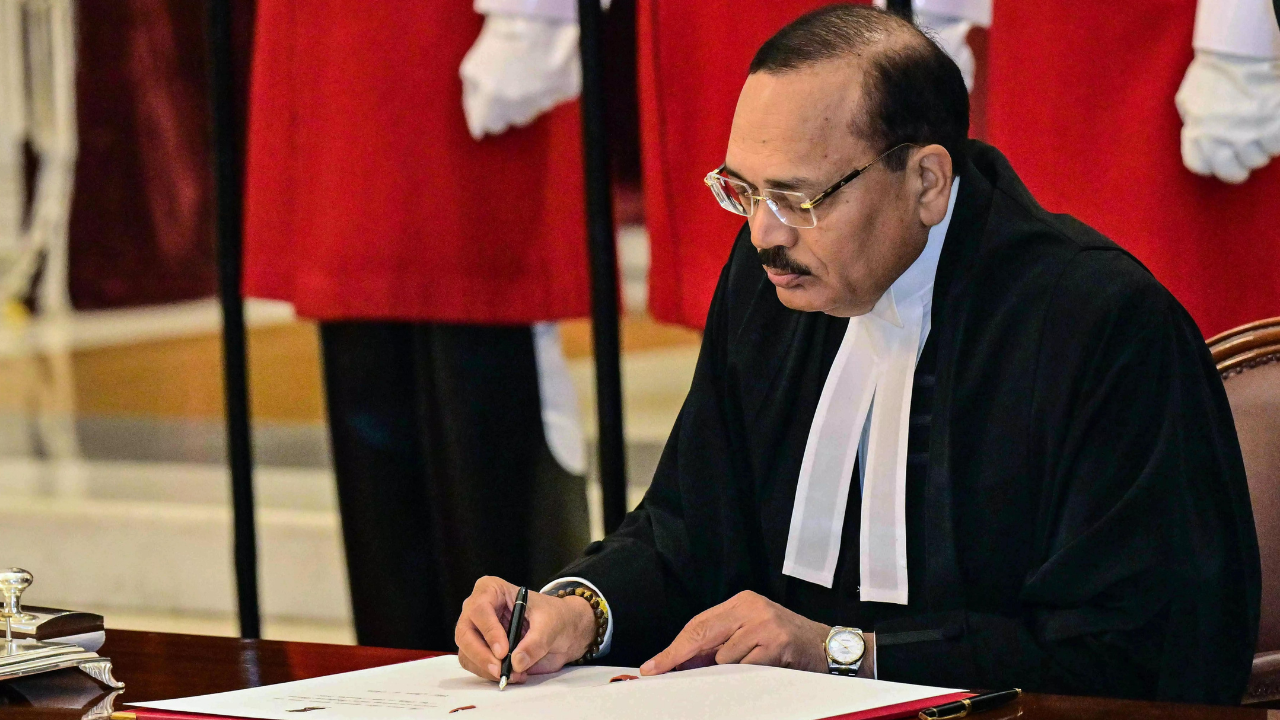
Justice T. Vinod Kumar has been transferred back to the Telangana High Court from the Madras High Court.
The transfer takes effect ahead of his scheduled retirement on November 16.
Justice Kumar had been relieved from the Telangana High Court on July 31, 2025, after he was transferred to the Madras High Court earlier.
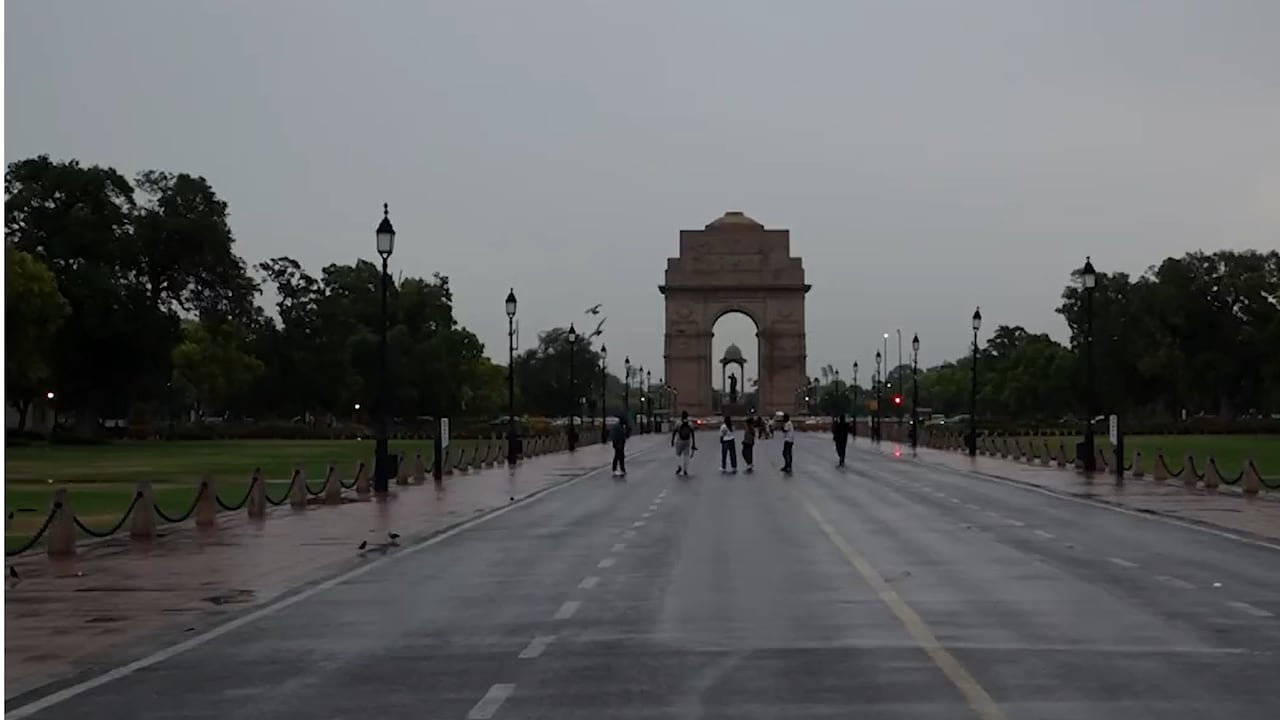
Delhi recorded its highest October rainfall in four years. Waterlogging was reported in parts of Sainik Farm in south Delhi and Mahipalpur.
Tyeb Mehta's painting Rickshaw Puller sold for Rs 69 crore, fetching a record price for the work. The available account did not provide details on the buyer, the venue or the exact date of the sale.
Ravichandran Ashwin described India’s upcoming tour of New Zealand as "the most exciting series this India will play this year." In the same conversation he addressed topics referred to as "RoKo" and other team matters. These remarks were published by The Economic Times.
The Karnataka High Court has quashed the state's hike in reservation for Scheduled Castes (SC) and Scheduled Tribes (ST) that would have taken total reservations beyond the 50 per cent ceiling. The court said the increase breached the 50 per cent cap and declared the enhancement invalid.
The order nullifies the contested quota increase and prevents reservations from exceeding the 50 per cent limit.
PERM certifications at 13 IT companies fell to 607 in a nine‑month period, down from 1,670 in FY25. The reported numbers cover the same group of 13 IT firms.
Twenty-seven relief camps have been readied for residents of flood‑prone areas in Sholinganallur and Perungudi. Minister K. Vignesh inspected monsoon preparedness in some of the most flood‑prone areas in the southern part of the city.
BJP Mahila Morcha staged a demonstration outside the Congress headquarters in New Delhi concerning the JNU sexual harassment case. During the protest, the Mahila Morcha demanded the expulsion of an MP in connection with the case. The demonstrators gathered at the party office to press this demand.
The Delhi Chief Minister launched an online portal for the DURGA e-auto scheme in Delhi. The scheme and its portal are aimed at women and transgender persons, providing a digital access point for the DURGA e-auto initiative.
The Delhi High Court has sought a police report in a matter concerning the illegal confinement of an activist. The court directed police to investigate the circumstances surrounding the activist's confinement and to file their findings with the court. The case will be taken up again for further consideration once the police submit the requested report.
The Hindu Downtown announced the MoC Kolu Kondattam 2026 contest. The announcement was published on thehindu.com and identifies the event as "MoC Kolu Kondattam 2026."
YSRCP will prioritise digital outreach and organisational strengthening as it prepares for upcoming local body polls in Andhra Pradesh.
Sajjala instructed various wings of the party to identify alternative candidates for every seat, directing party units to prepare contingency candidate lists for each local body constituency.
The party’s stated preparations combine enhancements to digital campaigning with measures to reinforce organisational readiness across constituencies.
An electric scooter in Jagtial District caught fire after its battery exploded within seconds, and flames engulfed the vehicle. The scooter's owner, identified as Raju, had purchased the vehicle a year ago.
A panel has been constituted to address grievances of sugarcane growers in India. The panel will examine complaints lodged by growers and recommend remedial measures to resolve disputes and improve outcomes for stakeholders in the sugarcane sector. It is expected to engage with growers and other relevant parties as part of its work.
Wichita’s 104‑year‑old Orpheum Theatre has reopened after a $13 million restoration. The historic Wichita venue underwent restoration work to preserve and rehabilitate the building, and has now resumed operations.
David and Michelle Baldacci launched Feeding Body & Mind as a dual initiative to address food insecurity and improve literacy.
The program gathers and distributes books through local food banks, enabling families who come for food assistance to also take home reading materials.
Feeding Body & Mind has collected and distributed more than 1 million books.
The initiative aims to link food support with literacy resources so families have greater access to reading materials and opportunities to improve reading skills.
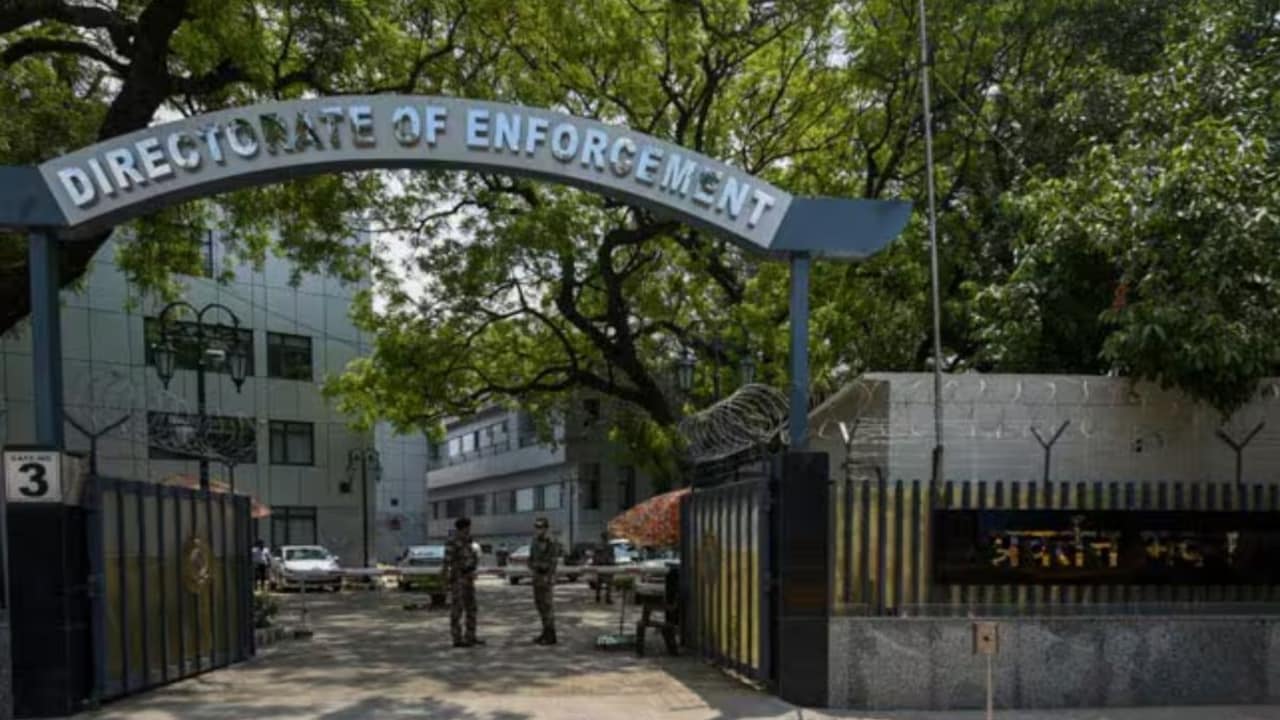
The Enforcement Directorate conducted searches at eight locations in Kolkata as part of a money‑laundering investigation.
The probe relates to funds that were allegedly collected through a chit fund scheme. The agency carried out searches at premises linked to the inquiry. No additional details on recoveries or arrests were provided in the available summary.
A body was found crushed by multiple vehicles on the Jhansi–Kanpur highway in Jhansi district, Uttar Pradesh. The victim was identified as missing farmer Jagmohan Tiwari.
The discovery followed when Tiwari’s son spotted a pair of slippers and traced them to the location where the body was found; the slippers helped identify the deceased.
At an event in Chennai, a speaker said, “Future of leadership is ability to be a boundary-less leader.” The comment presented boundary-less leadership as a central quality for leaders going forward, emphasising leadership that transcends conventional boundaries.
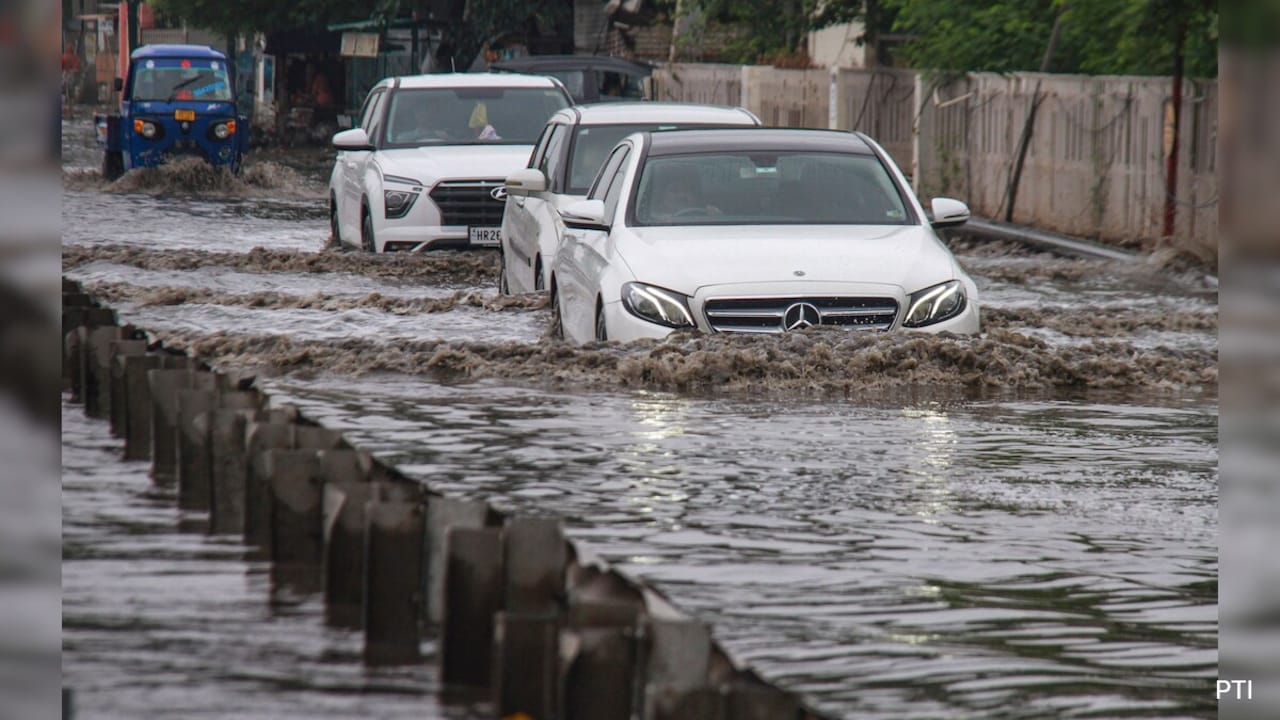
Heavy rain caused widespread waterlogging in parts of Gurugram and Faridabad, leaving several intersections and residential neighbourhoods submerged.
Flooded roads disrupted traffic and slowed vehicular movement across both cities, according to NDTV.
Two people died after inhaling toxic gas in a corporation drainage sump in Kodungaiyur. A GCC official said the victims appeared to have entered the sump without adequate protective gear.
The Poonamallee–Vadapalani stretch of Chennai Metro Rail, part of Phase 2, carried over 25,000 passengers on its first day of operation. Poonamallee Bypass station registered the largest single-station footfall at 4,800 passengers, while Porur Junction handled about 4,000 passengers on day one. These station-level figures illustrate initial commuter usage on the newly opened stretch.
Hertsmere Borough Council has withdrawn a proposed 3,750‑home extension at Well End after public consultations, removing the scheme from its draft Local Plan.
Alongside the Well End proposal, the council removed several other large developments, together accounting for 6,752 planned homes taken out of the Local Plan.
The updated Local Plan still aims to provide more than 14,000 homes overall and shifts emphasis toward delivery within urban areas.
The council said the withdrawals followed community feedback gathered during public consultation and reflect efforts to align housing proposals with local infrastructure capacity.
Rahul Gandhi has summoned Members of Parliament from the INDIA bloc to a strategy meeting to plan and coordinate protests over the 'vote chori' issue. The meeting is aimed at aligning the bloc's approach and next steps for the protest campaign.
The India Meteorological Department (IMD) has reported a low pressure area over the Bay of Bengal and forecast that it may bring moderate showers to Andhra Pradesh between October 15 and October 19. The IMD said all three regions of the State are likely to receive rainfall during this period.
The Marathas defeated the Archers in a match that was decided by a shootoff. The contest was closely contested and concluded with the Marathas prevailing in the shootoff. The Hindu carried the headline "Marathas outlast Archers in an exciting shootoff."
Dhir overcame a spell away from his best and has begun to regain form, delivering improved performances in recent matches that have been described as a comeback. The turnaround followed adjustments in his preparation and approach, with an emphasis on rebuilding confidence and sharpening technique. Those performances have halted a run of poor results and positioned him back among the contenders for regular selection in upcoming fixtures.
A person familiar with the matter said Bumble is in advanced talks to be taken private by Ithaca Holdings in a transaction that would value the dating-app operator at roughly $1 billion.
Shares of Bumble jumped about 52% to $3.86 on the development. As of Friday's close, the company's market valuation was roughly $389 million.
Bumble had earlier explored a sale amid slowing growth in the online dating sector and increased competition. Bumble and larger rival Match Group have faced pressure from weaker user engagement, particularly among younger Gen Z users.
Under CEO Whitney Wolfe Herd, who returned to the CEO role in March 2025 after stepping down in January 2024, Bumble is overhauling its app with AI-powered features and new connection methods as it seeks to revive growth.
Bumble and Ithaca Holdings did not immediately respond to requests for comment.
In October 1926 the Indian Currency League was active as an organisation addressing currency matters in India. Archival material dated 13 October 1926 records the league’s presence and its engagement with monetary issues of the time.
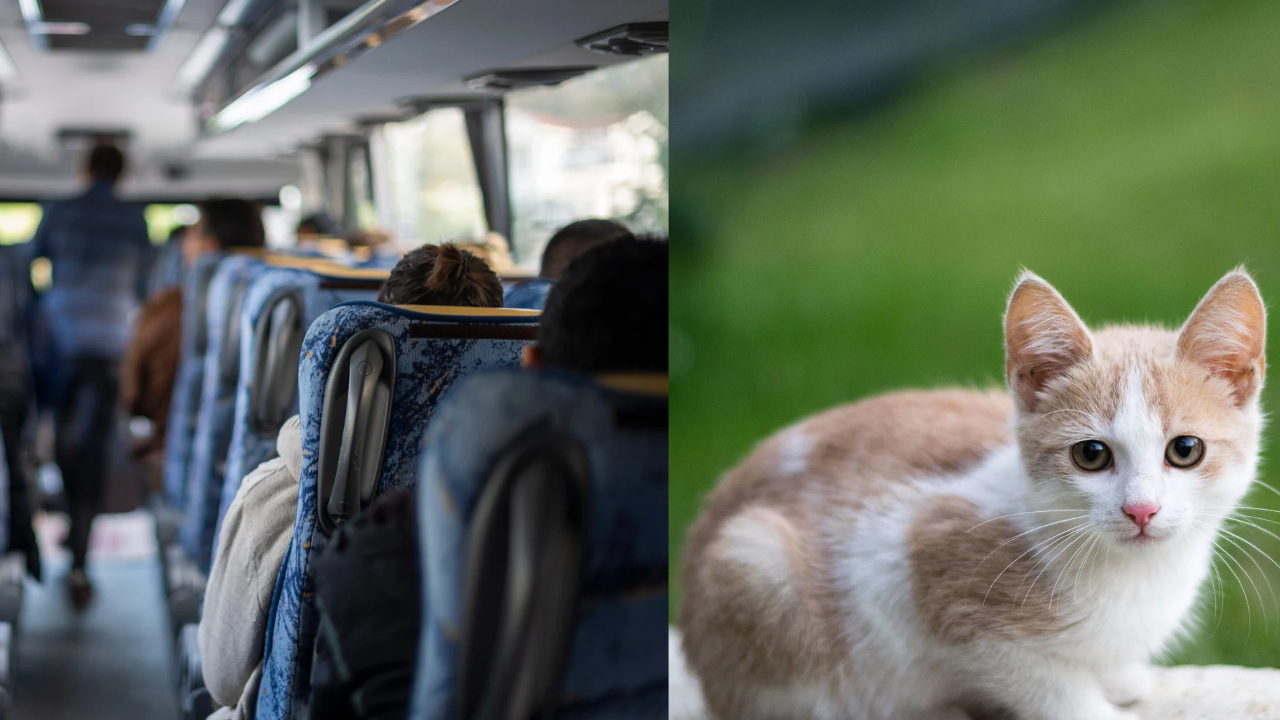
Cynthia Morgan, a school bus driver in Maryland, was removed from her route after she allowed a 10-year-old boy to step off the bus to rescue a kitten.
Parents and local residents started a petition seeking Morgan's reinstatement; the petition has gathered more than 800 signatures.
The school district cited concerns about safety protocols in taking the personnel action and said it is reviewing transport safety rules and the disciplinary response.
Supporters of Morgan said she has a history of positive interactions with students and urged the district to reinstate her.
Workers of the Chennai Metropolitan Water Supply and Sewerage Board (CMWSSB) sought fair wages, saying they work long hours and should receive pay that reflects that time. The demand is directed at CMWSSB management and the relevant authorities in Chennai to address the workers' wage concerns.
La Pitchoune, the house Julia Child and her husband built in Provence in 1963, is now run as a cooking school and vacation rental. The Childs used the home for nearly three decades; Julia Child gave it up in 1992.
Since 2016 the Held family has managed the property. Guests cook in Julia Child's original kitchen and recreate dishes associated with her, while the Held family preserves the house's culinary character.
Delhi received its highest October rainfall since 2022, producing waterlogging in parts of the city and prompting traffic diversions on affected roads.
Following the showers, the city’s Air Quality Index (AQI) improved into the 'satisfactory' category.
Wake Forest University held its Hit the Bricks fundraiser on October 1, drawing 2,406 participants. The one-day event raised nearly $407,000, an increase in both participation and funds compared with the prior year. Celebrating its 23rd edition, Hit the Bricks has now raised more than $2 million in total since its inception.
A Durga Utsav event took place at Times Square and drew crowds despite adverse weather conditions. Organisers honoured six organisations as part of the programme.
The event continued outdoors at the Times Square location even as participants and attendees faced poor weather.
An osteoporosis awareness and detection camp will be held on Oct. 20 in Chennai. The camp aims to provide early assessment and detection to identify people at risk of weakened bones and fractures.
Attendees will be offered guidance on appropriate physical activity and timely medical advice to help protect bone health. Osteoporosis weakens bones and increases susceptibility to fractures; early assessment and intervention can reduce that risk.
CavinKare has opened nominations for the 25th CavinKare Ability Awards for 2027. The organisers have invited nominations under two categories. The announcement accompanies a call for entries detailing the awards' nomination process.
A Pakistani man was detained near the Attari border after he ignored a warning to stop. Police detained the man and are questioning him to establish the circumstances of his alleged entry. Authorities said an investigation is underway to determine how he came to be near the border and the nature of his crossing.