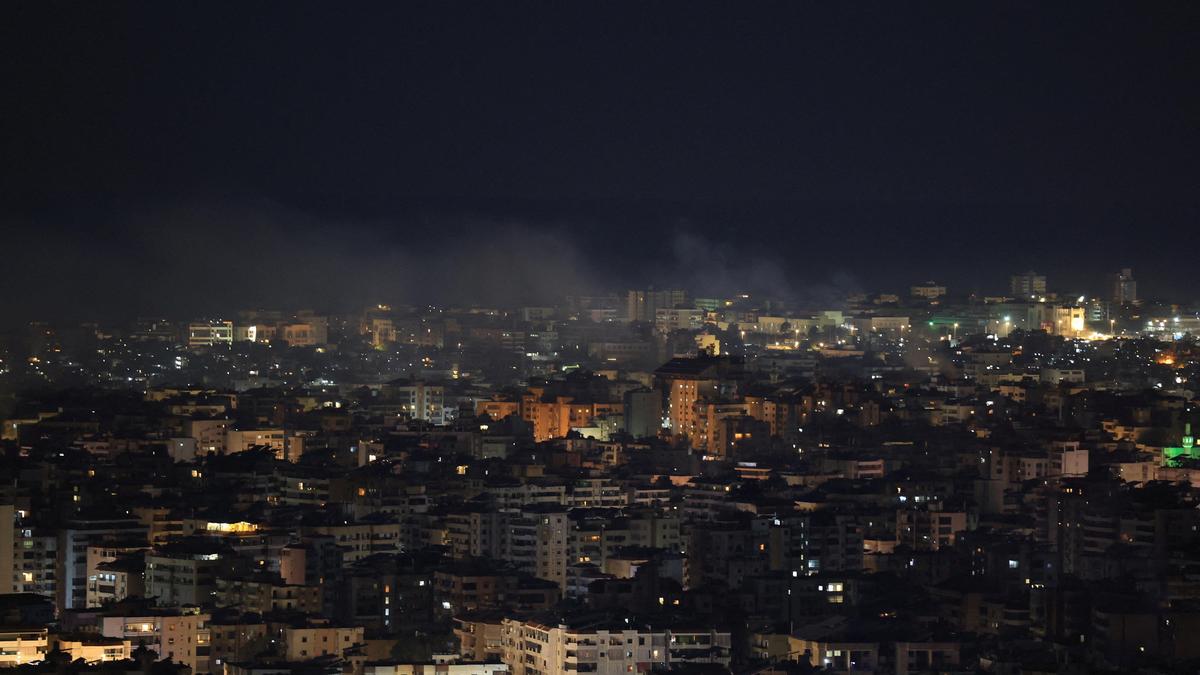
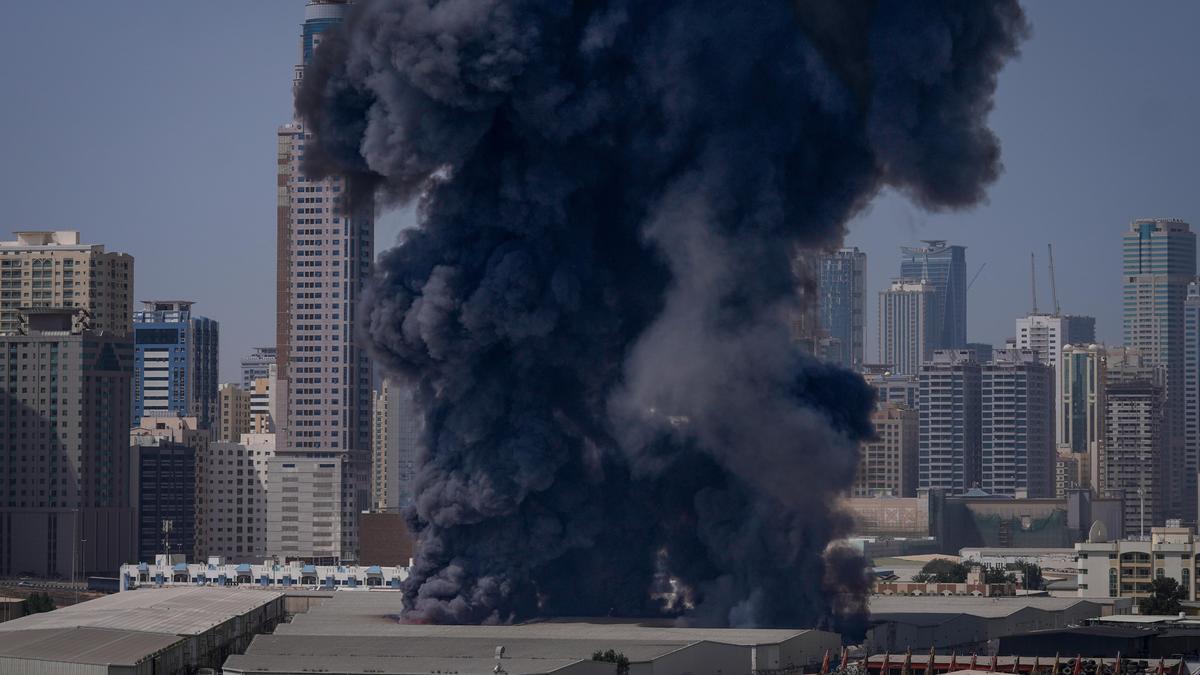
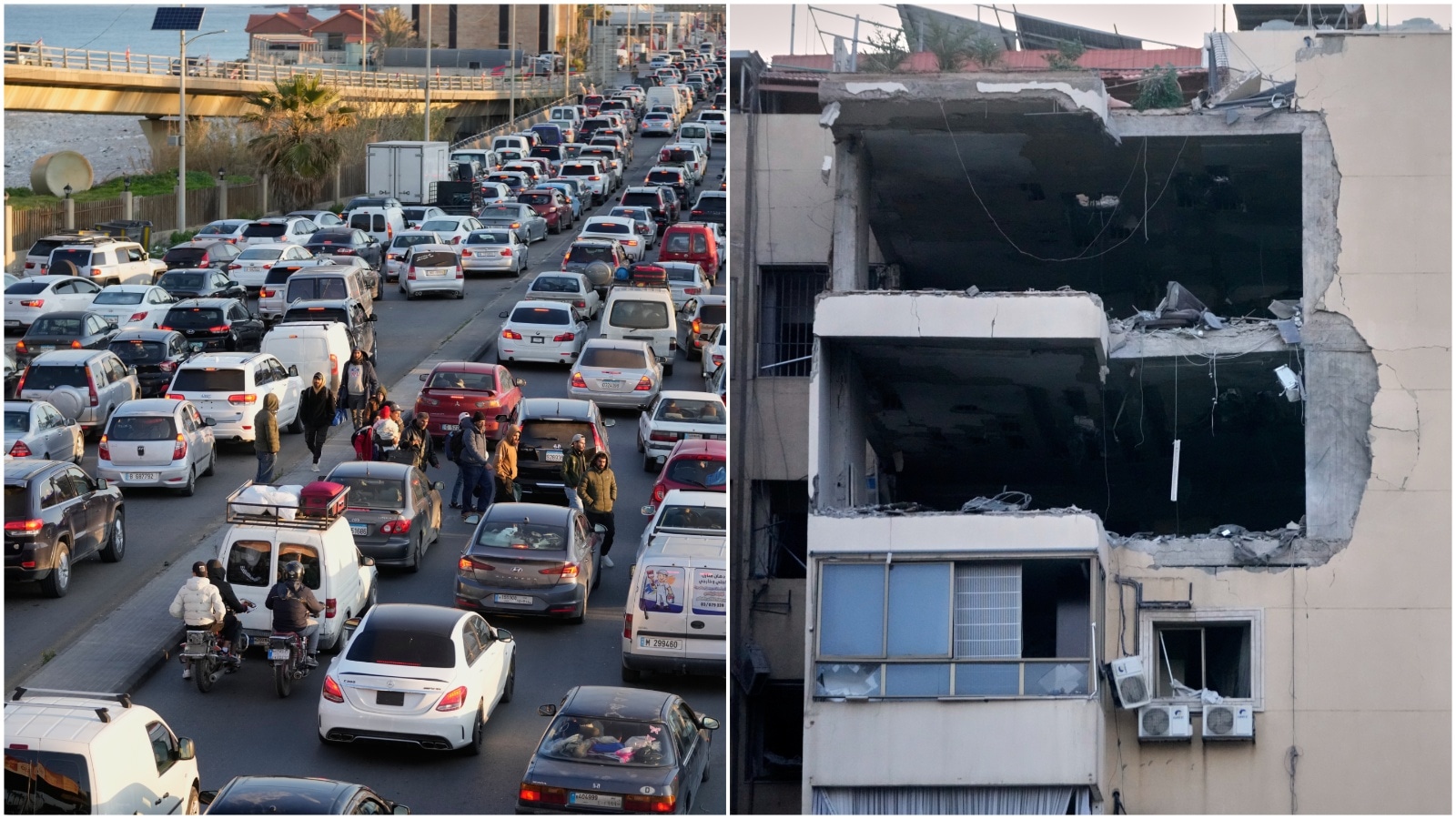
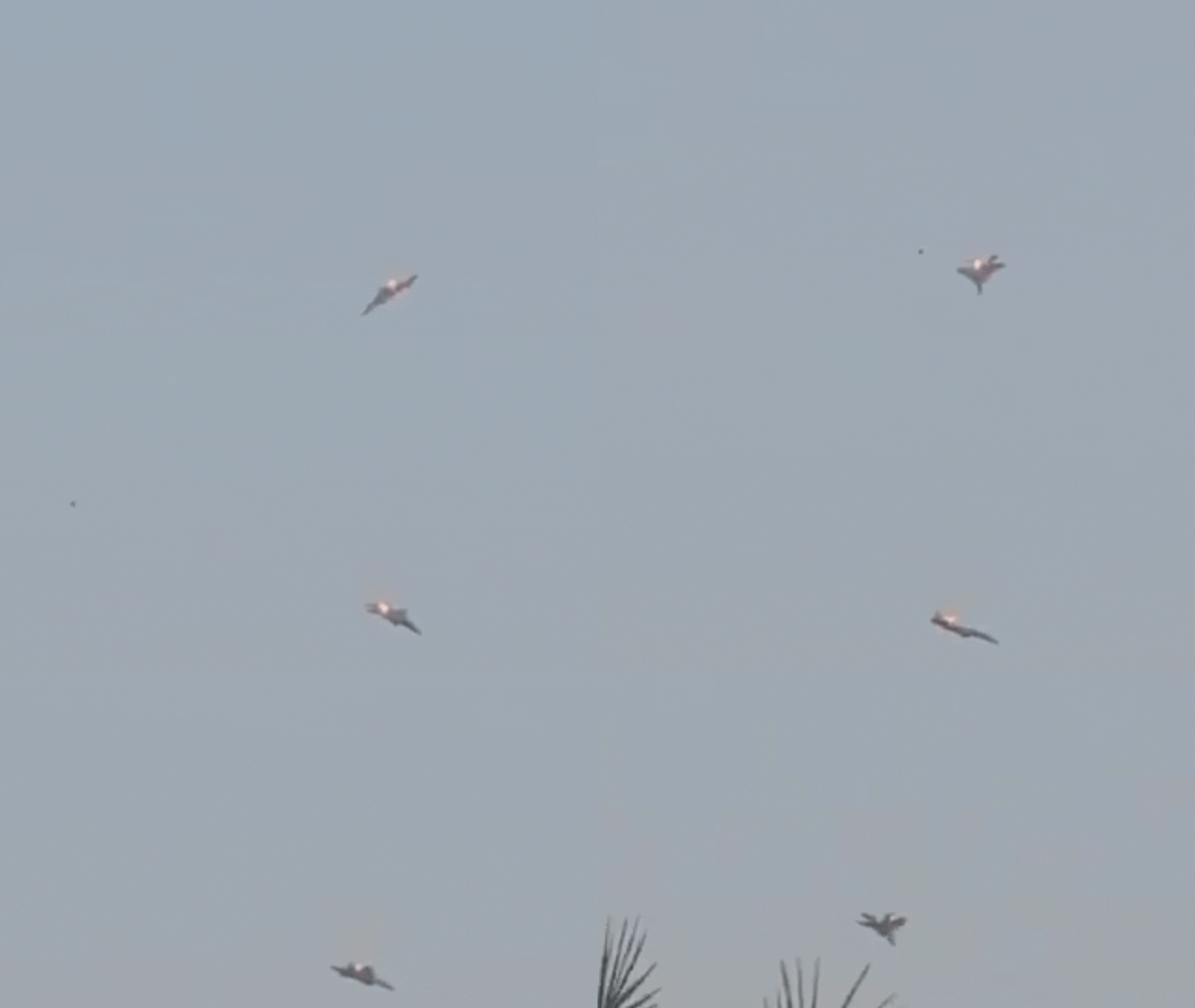
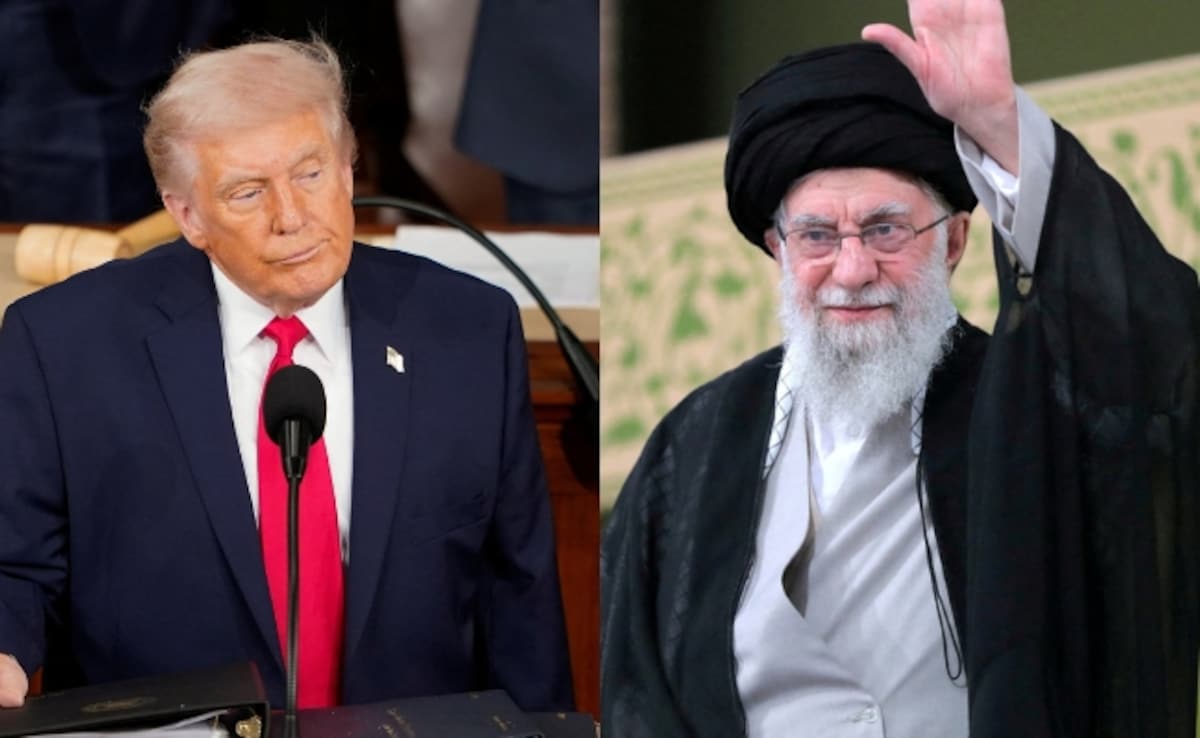
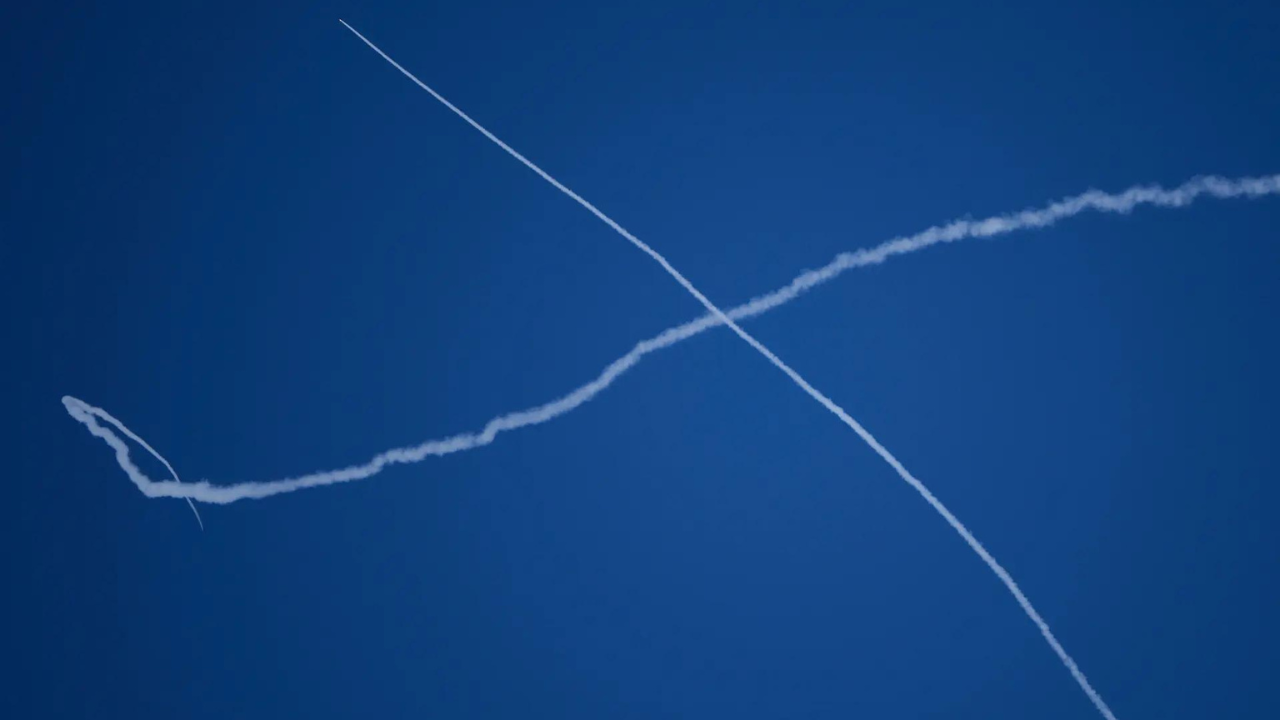
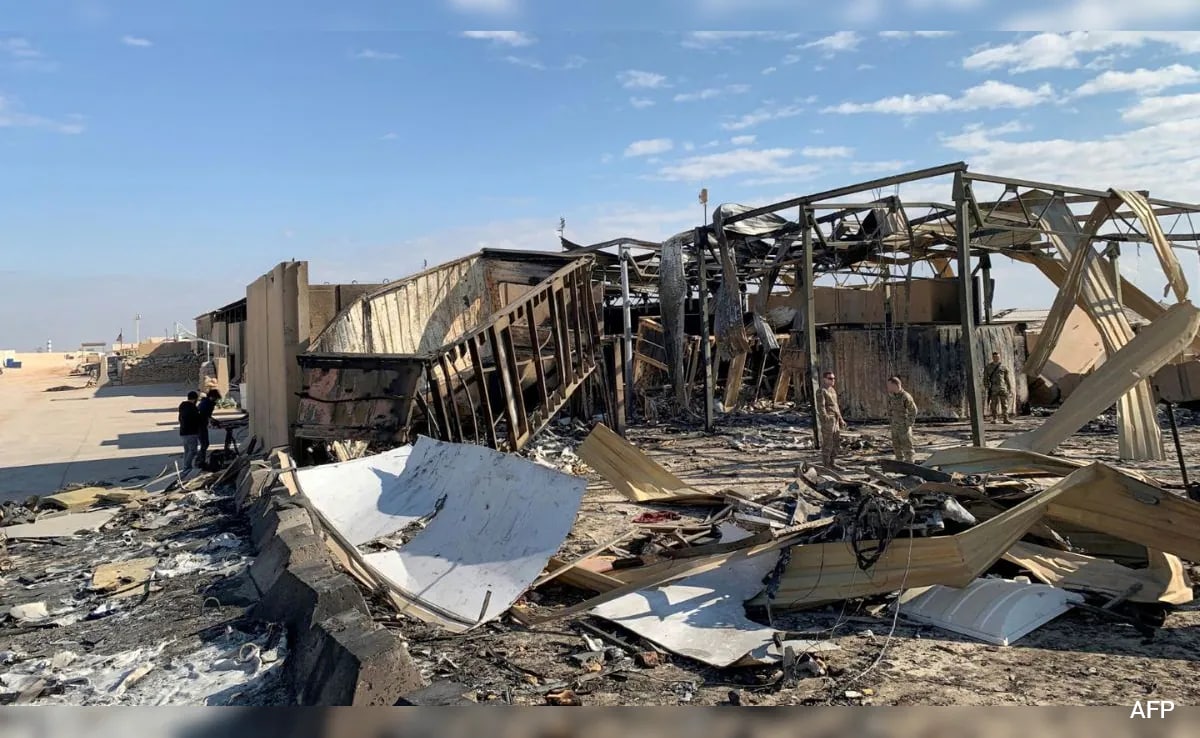
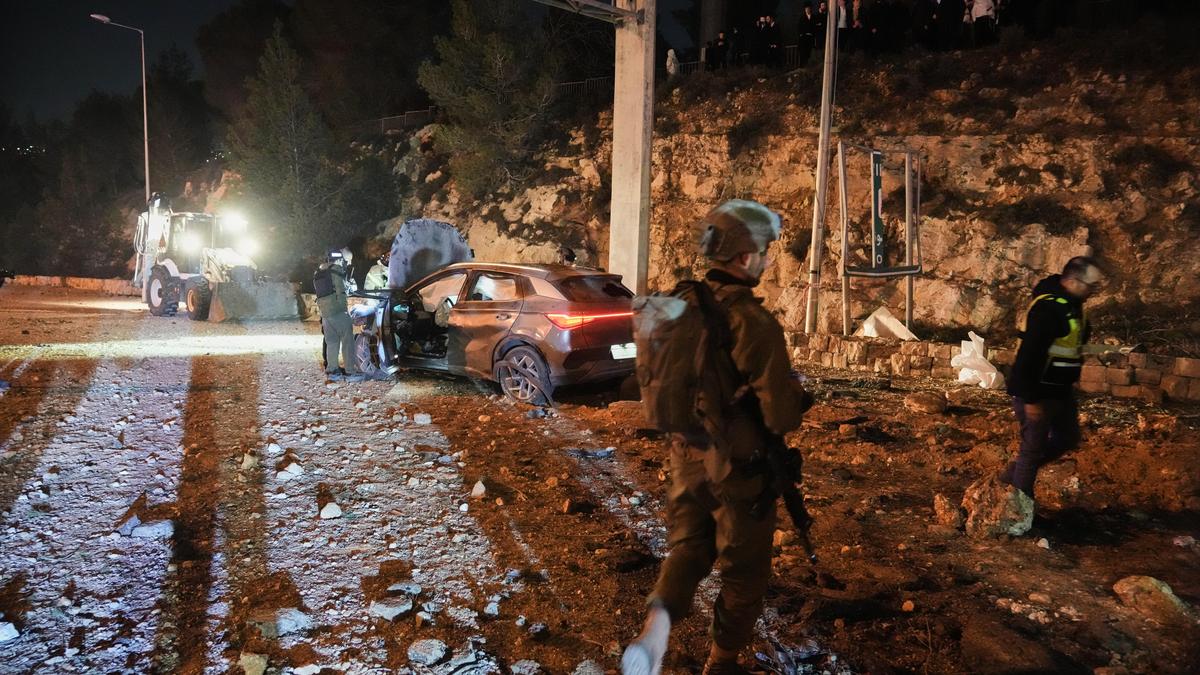
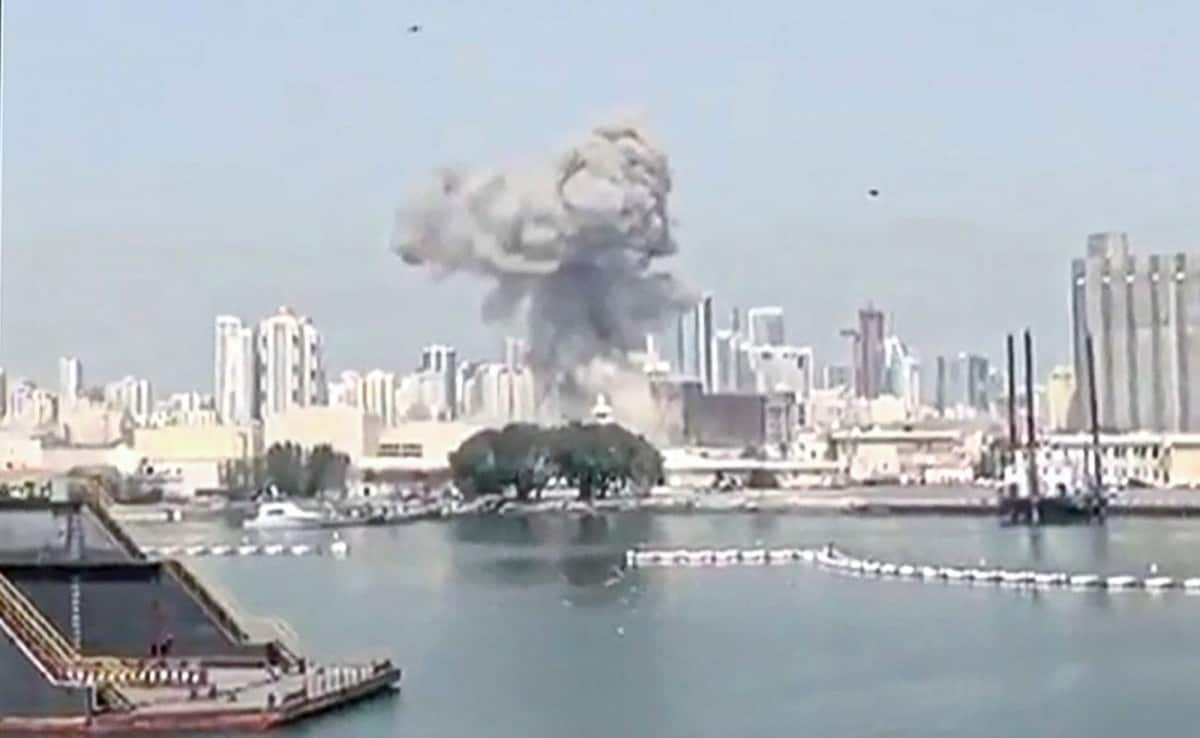
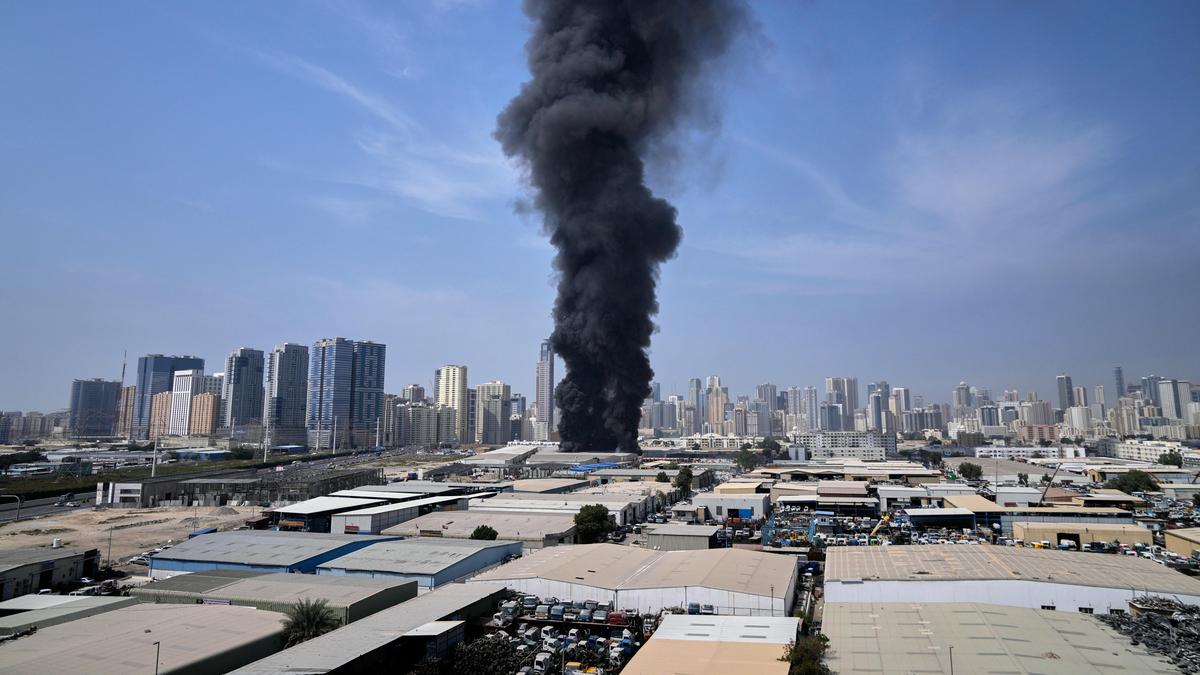
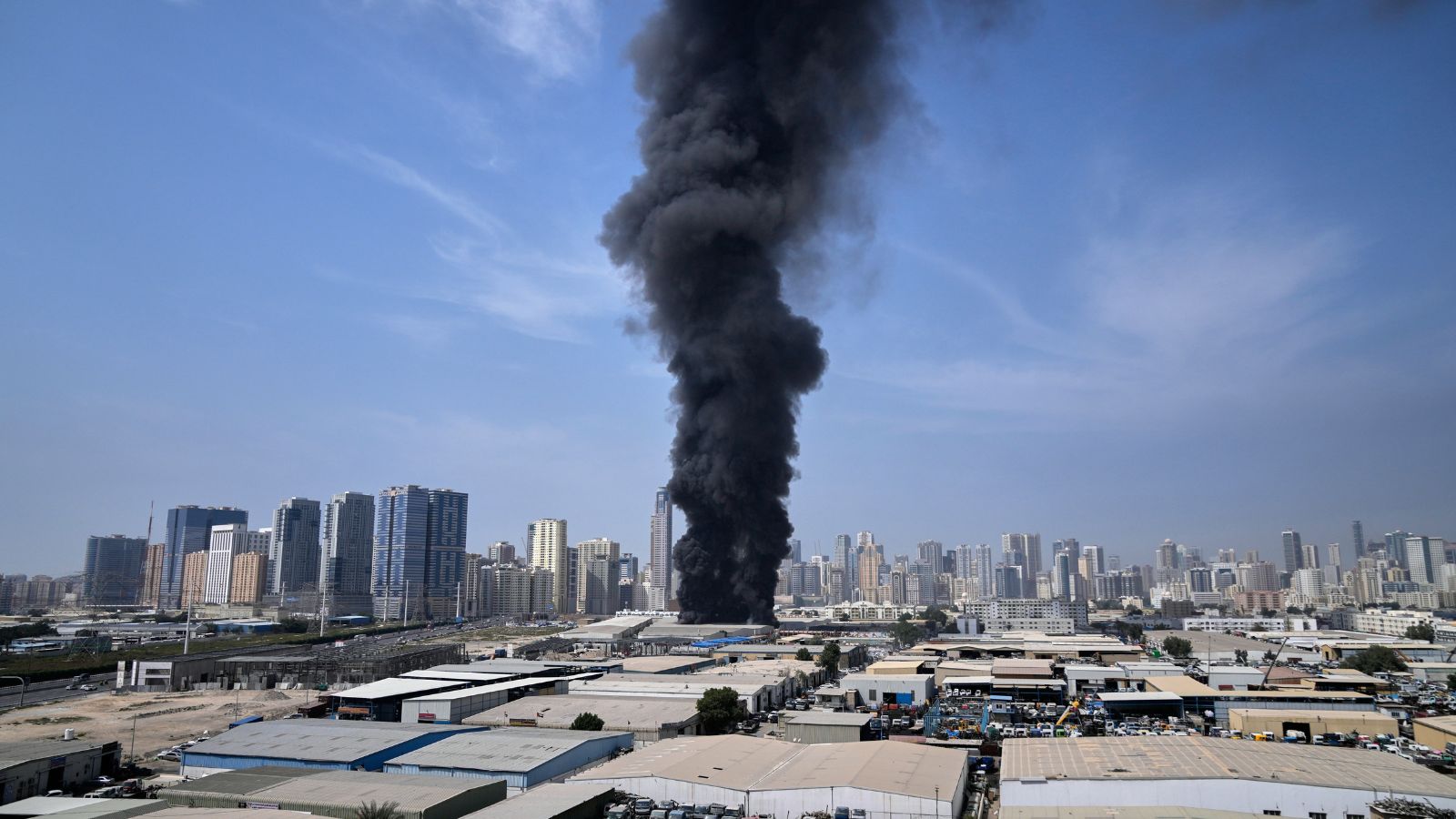
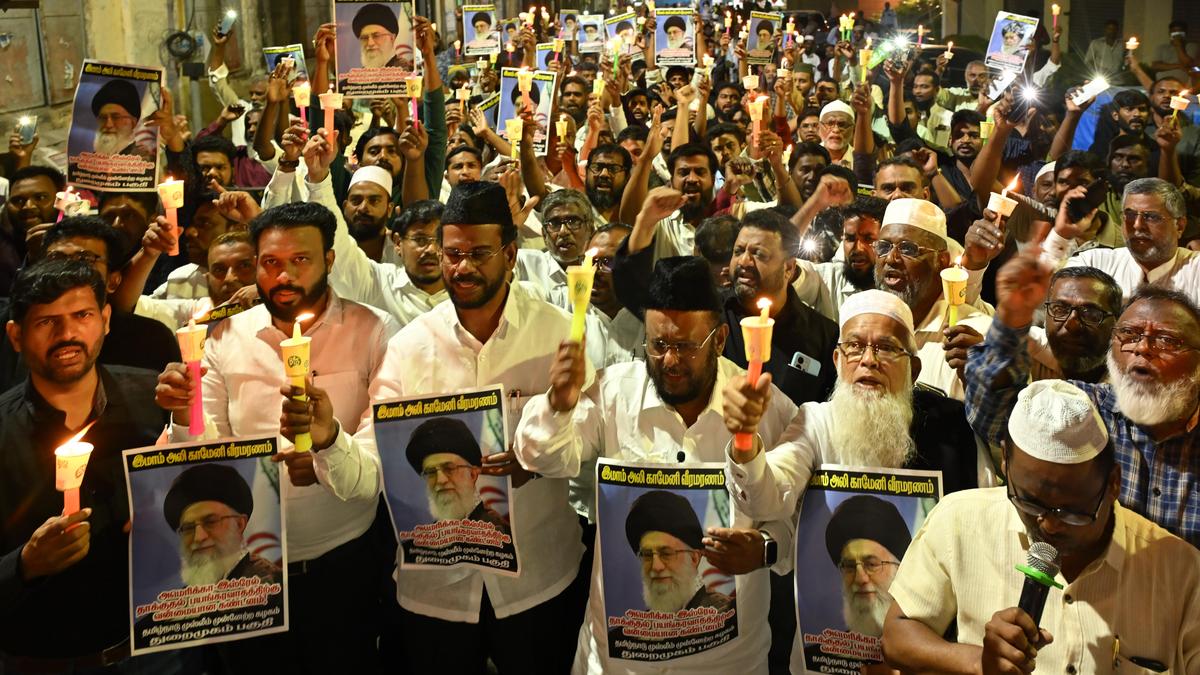
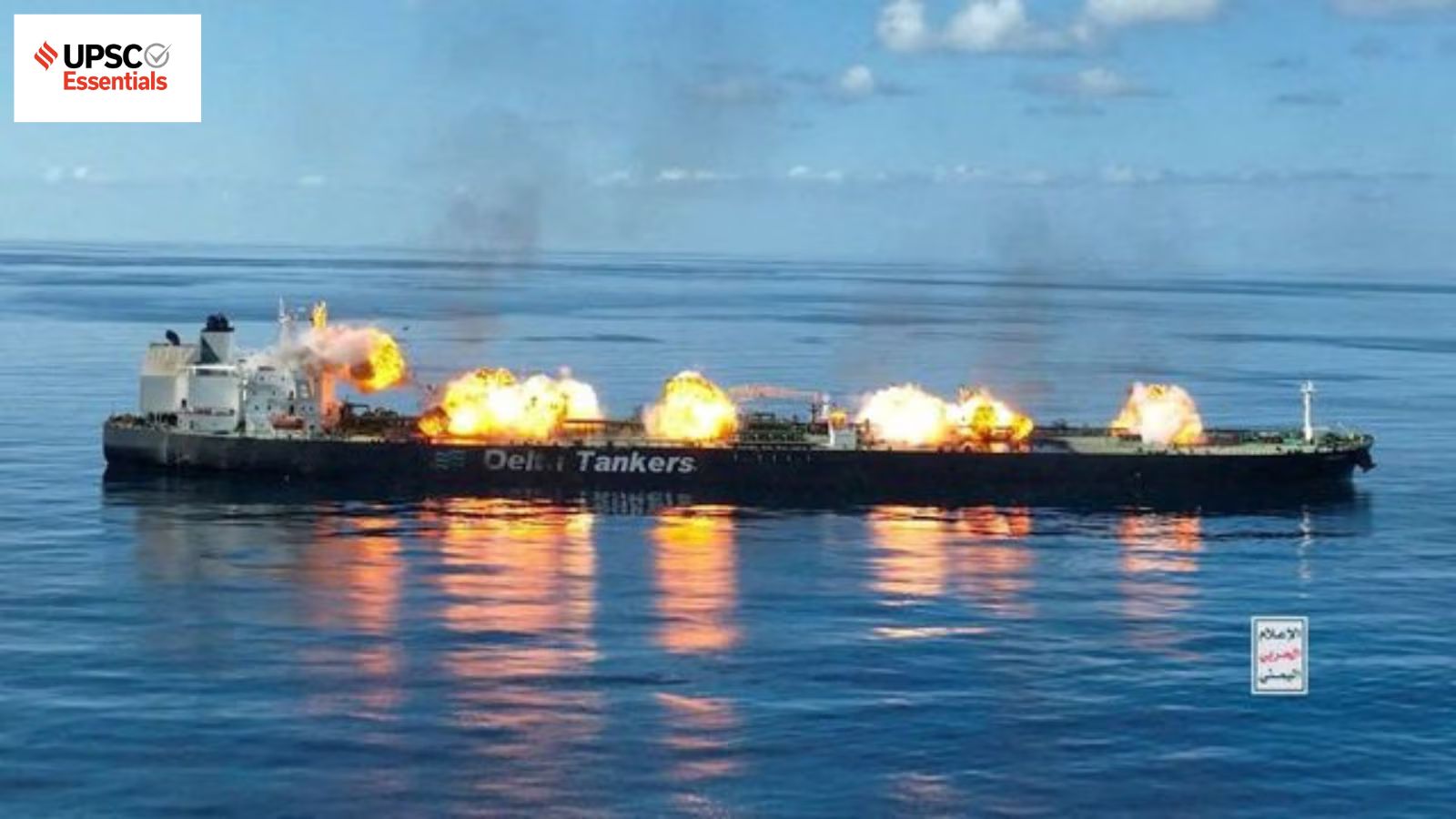
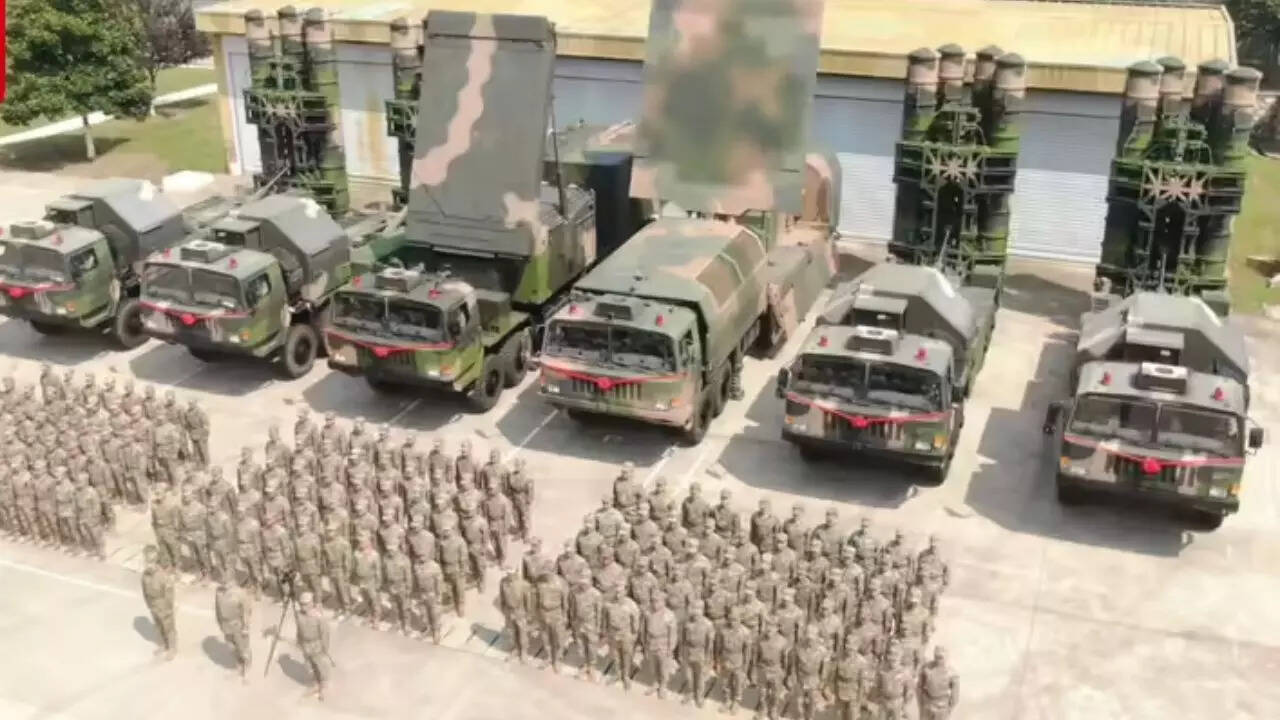
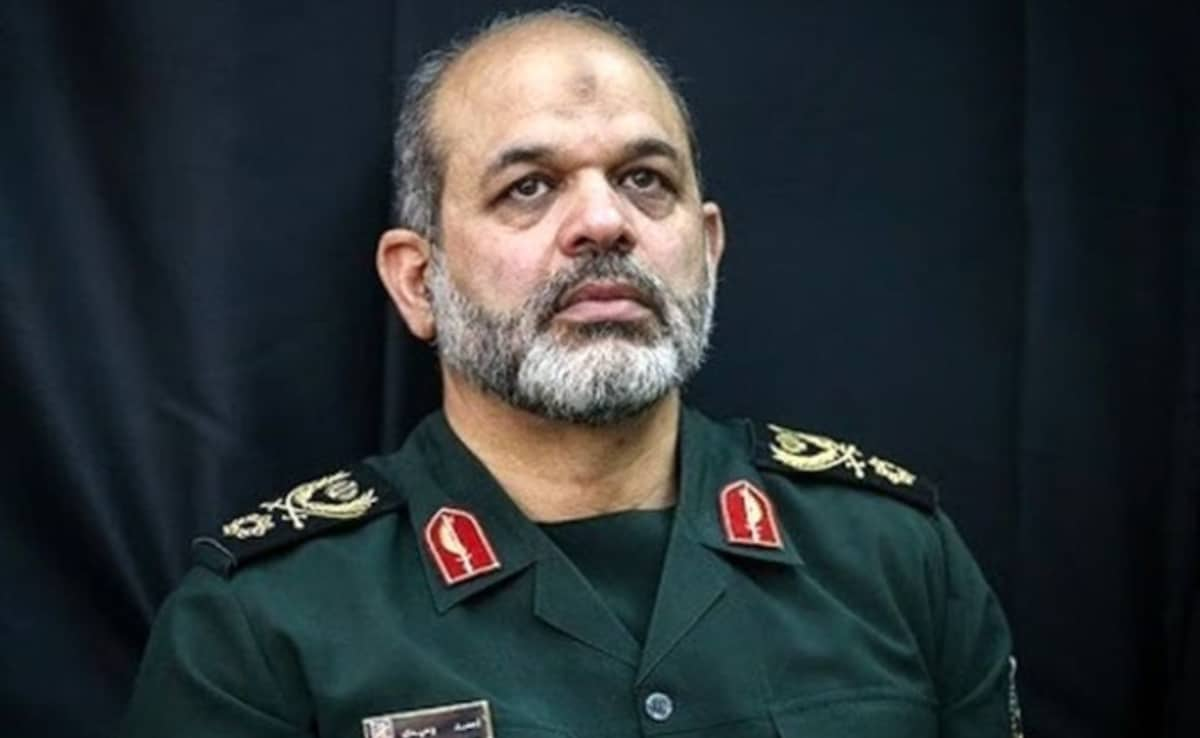
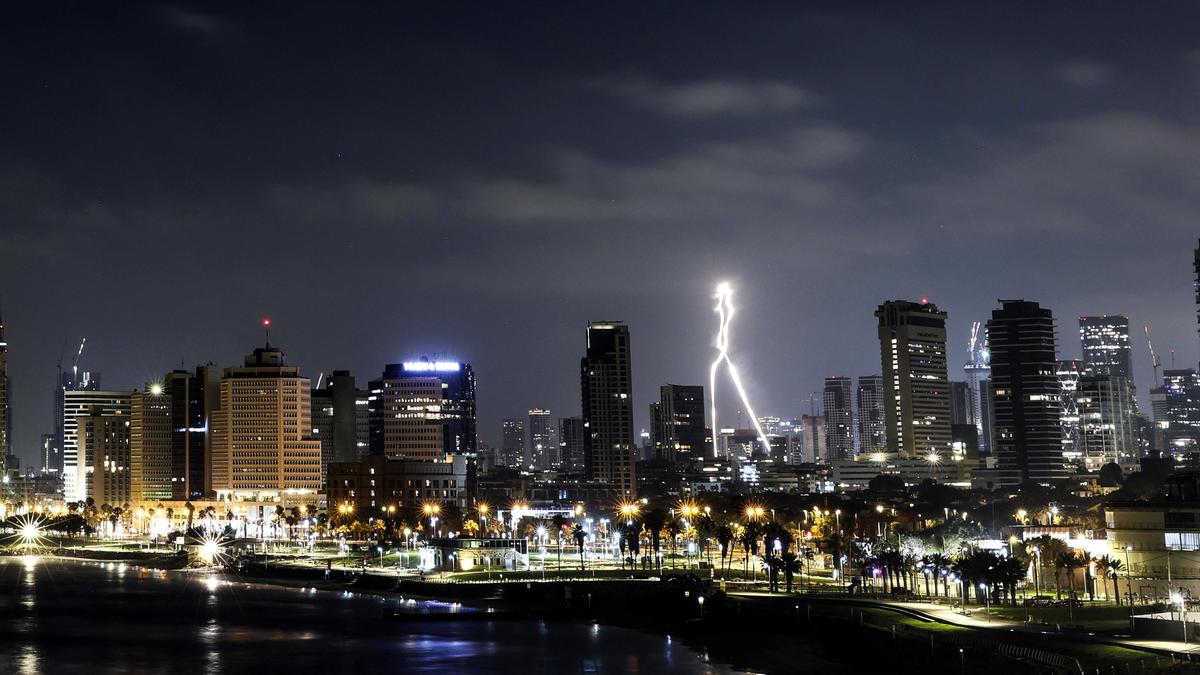
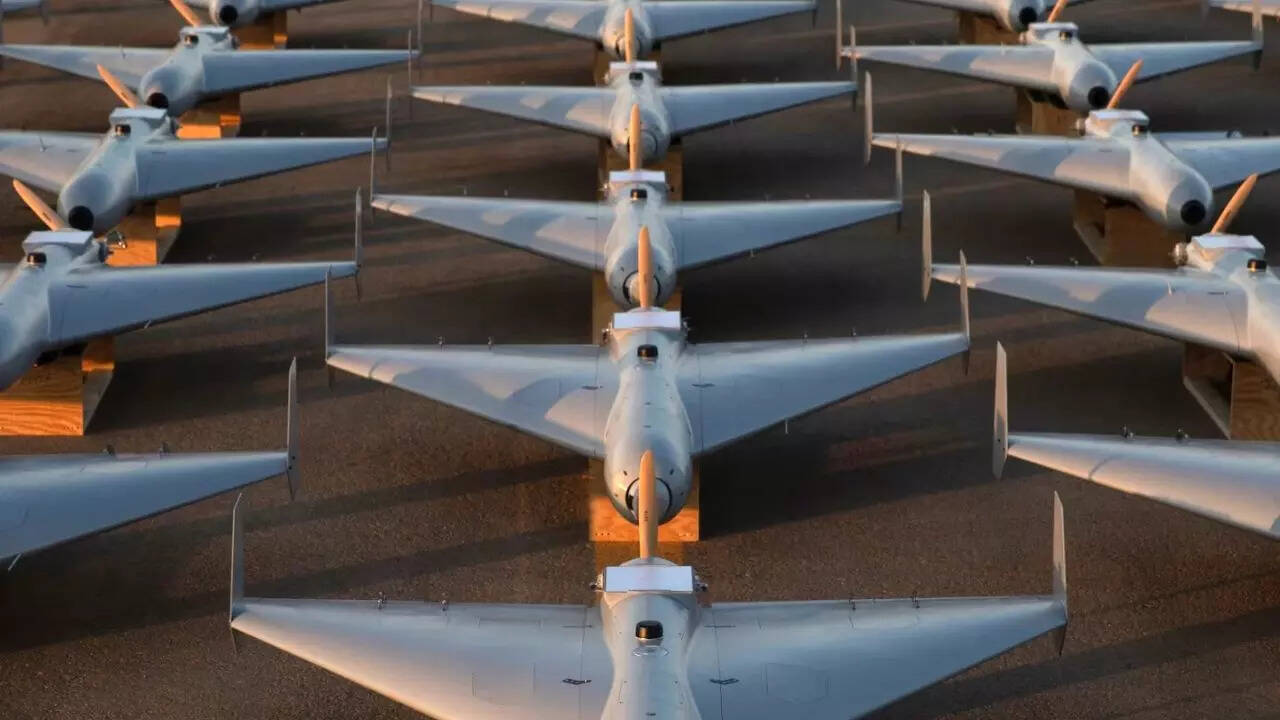
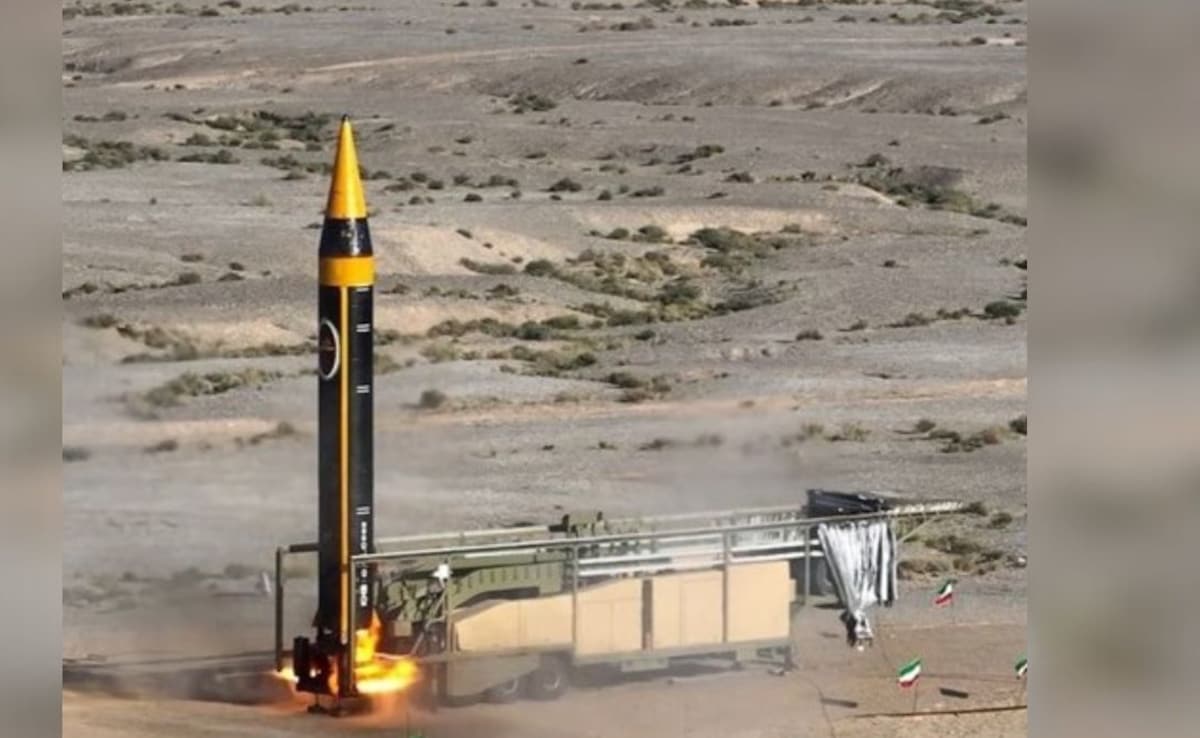
What happened: In late February–early March 2026, US and Israeli strikes on Iranian targets sharply raised tensions across West Asia. The military actions prompted multiple governments to issue travel advisories, evacuate or permit departure of some embassy staff, and led to the temporary closure or restriction of civil aviation in parts of the Gulf.
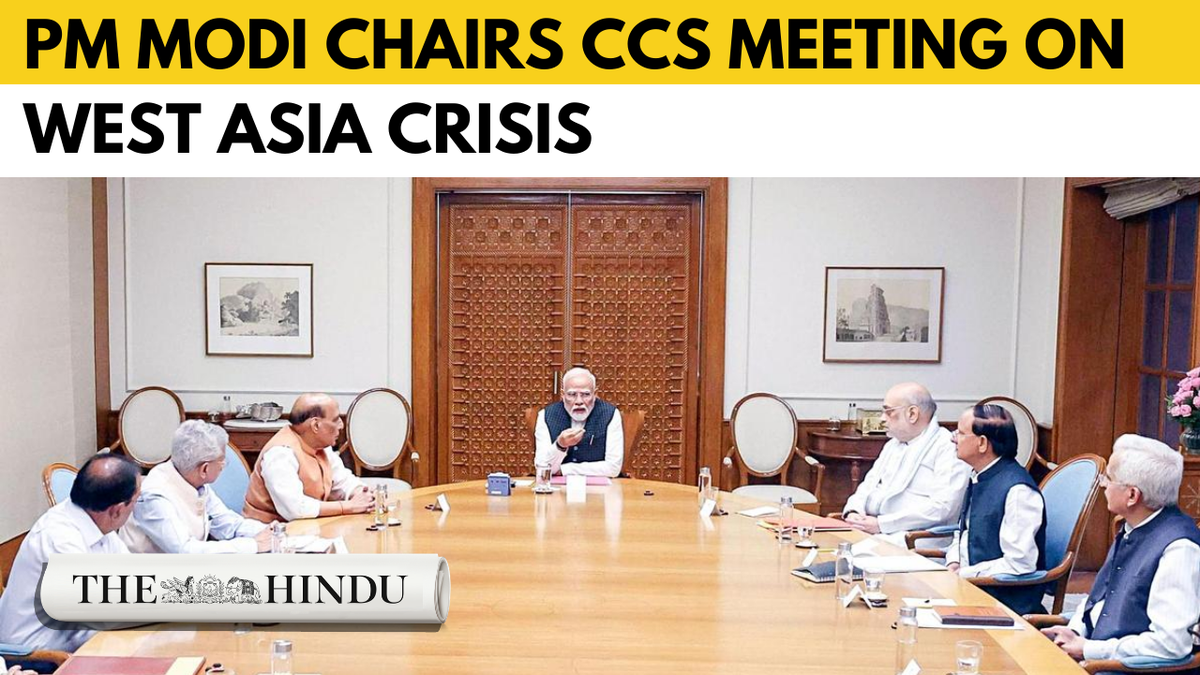
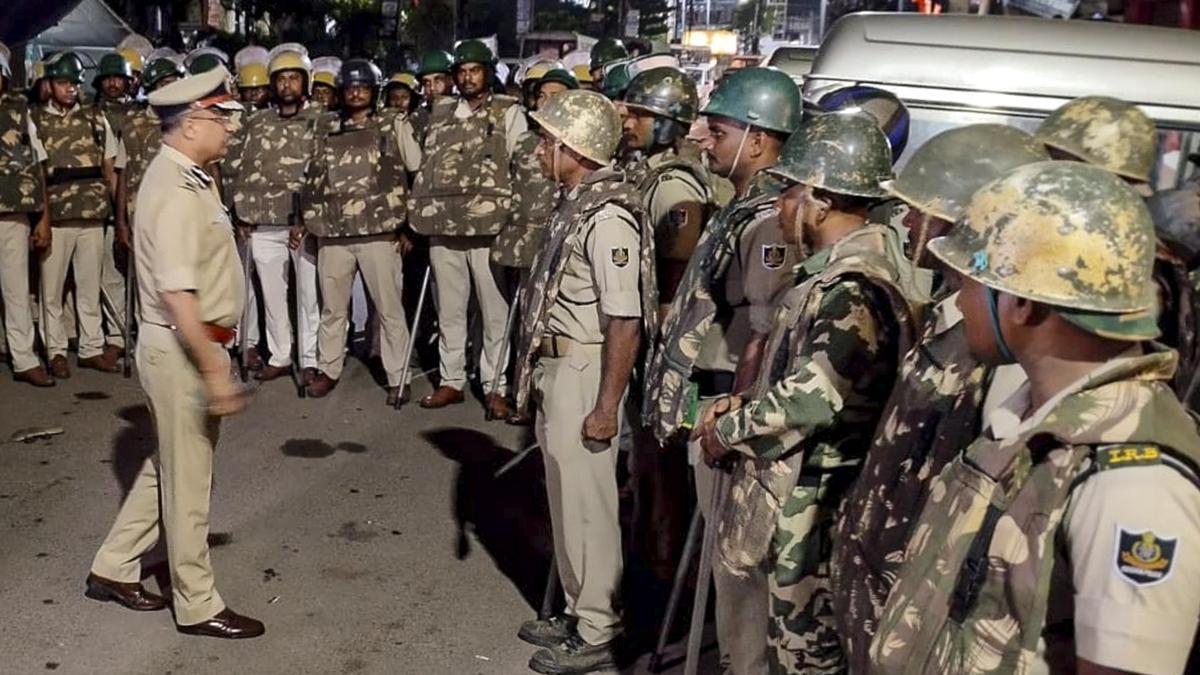
India response: The Ministry of External Affairs (MEA) issued advisories for Indian nationals in Israel and Iran, urging them to exercise utmost caution, stay near shelters, avoid non‑essential travel and follow local security instructions. The Civil Aviation Ministry activated a Passenger Assistance Control Room (PACR), published airline and embassy helplines and coordinated relief for affected passengers.
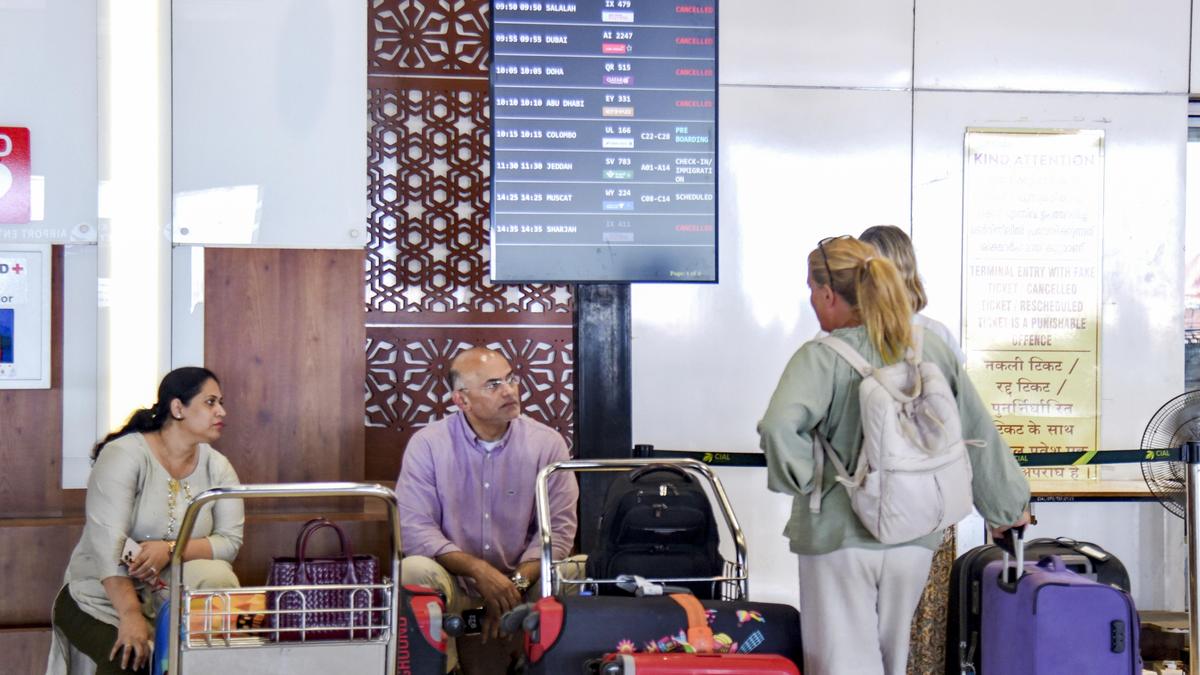
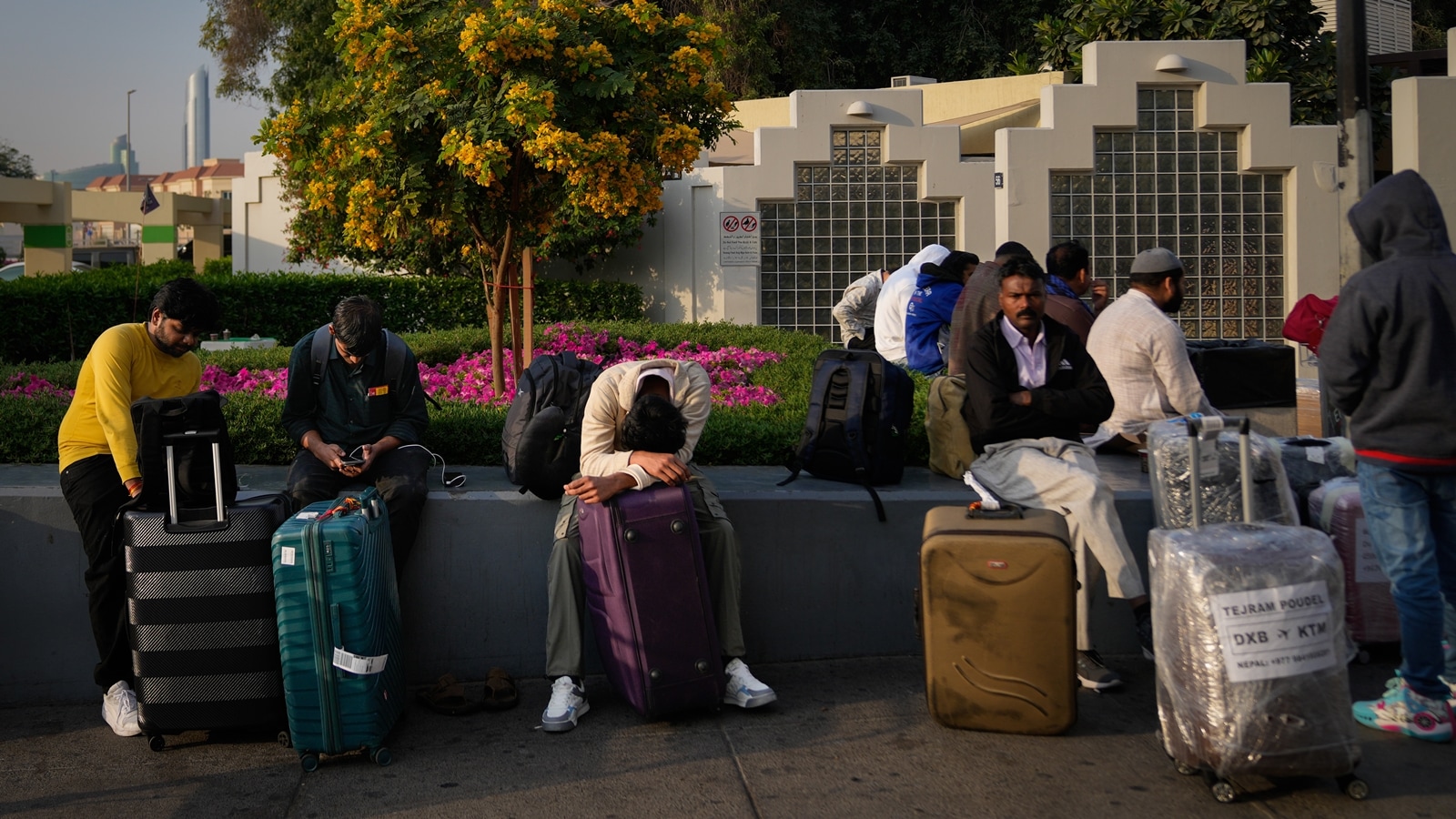
Flights and operations: Indian carriers suspended or cancelled numerous West Asia services because of airspace closures and safety concerns. Aggregated reporting by Indian outlets recorded roughly 350 Indian flight cancellations on the busiest day, with localized disruption including 24 cancellations at Bengaluru and 13 at Chennai; several flights at Amritsar were also affected. Eighteen Indian aircraft were reported stranded overseas during the airspace shutdown. Airlines—some using technical stops and alternate routings—said they were attempting to preserve critical westbound services. Air India publicly stated its North America services would operate as scheduled.
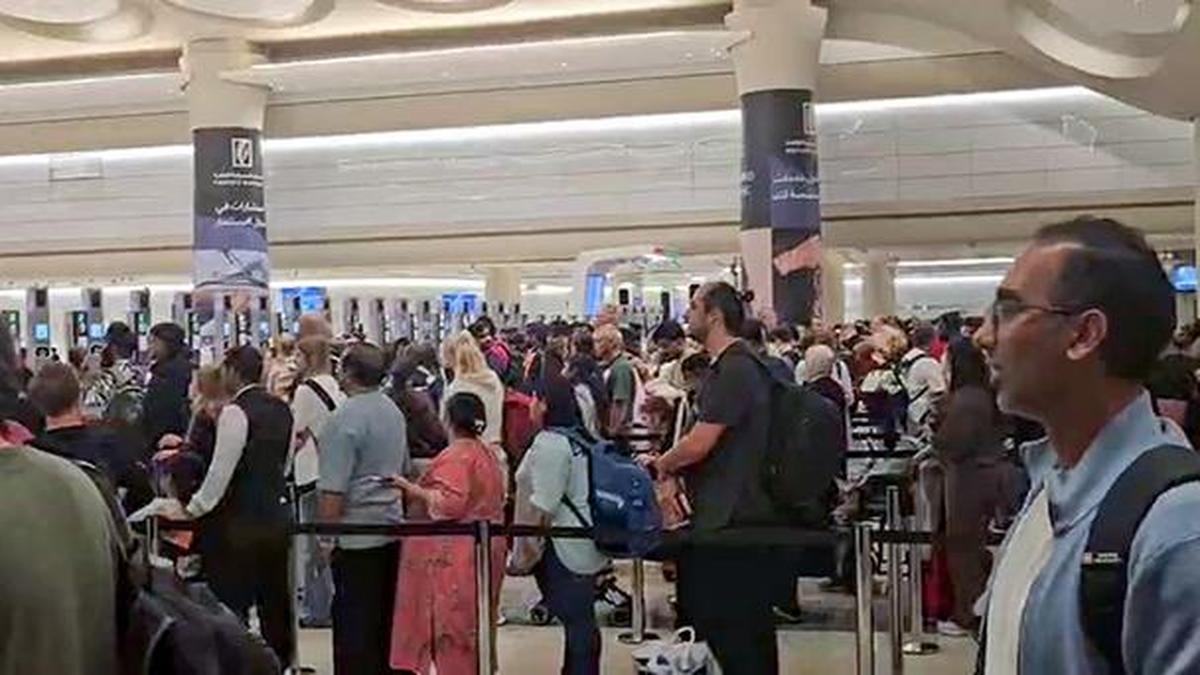
Passenger assistance and disruptions: Government helplines and the PACR reported resolving hundreds of passenger grievances; nonetheless, many travellers were stranded abroad or faced cancellations and delays. Tourism, airport operations and related services saw acute disruption in affected corridors.
Economic impact: The escalation hit sectoral sentiment: shares of major aviation and travel companies, including InterGlobe Aviation (IndiGo) and SpiceJet, fell on Indian exchanges, and travel‑related stocks recorded losses.
International measures: The US authorised or advised some non‑essential embassy staff and families to leave Israel; the UK reduced its diplomatic footprint in Tehran; China advised its citizens to evacuate Iran. Reporting varies by outlet on exact numbers and timing of departures and closures.
Points of disagreement in coverage: outlets broadly agree on the sequence—strikes, advisories and flight disruptions—but differ on details: some reports emphasise US instructions for staff to leave Israel, others frame it as allowing departures; counts of cancelled flights and stranded aircraft vary across publications; specific airline statements differ on which services would continue without interruption.
Current status: Governments and airlines continue to monitor security conditions and update advisories and schedules; Indian authorities are operating helplines and coordinating consular assistance for affected nationals.